Why The Library Changed
Three priorities shaping the next wave of Highway 1 templates.
Prettier By Default
The goal is no longer just "many variants." The new standard is templates that feel current, deliberate, and premium on first load instead of generic or over-familiar.
Platform-Native Motion
We are moving toward modern web-platform features like view transitions, scroll-linked animation, and lighter progressive effects instead of leaning on heavier custom JS for everything.
AI Media, Less Stock Feel
The direction now is SVG-native atmospheres, generated media, and better visual systems. If a template feels too close to the others or too dependent on generic stock, it gets demoted or replaced.
Old Gallery Thinking vs. Modern Core
How the library is shifting from sheer count toward a more current, client-facing template system built around 16 stronger public options.
| Library Goal | Older Variant Sprawl | Modern Core Direction |
|---|---|---|
| Visual quality | Too many adjacent ideas competing equally. | Curated: stronger templates surface first. |
| Motion | Often JS-heavy or uneven by concept. | Lighter: platform-native transitions and reveals. |
| Media direction | Stock-photo repetition across categories. | Richer: generated/SVG-first surfaces and stronger art direction. |
| Performance | Good, but inconsistent at the template-system level. | Shared: progressive optimizations across the modern family. |
| Curation | Every concept gets equal billing. | Intentional: similar or weaker variants move to the lab. |
What changed in practice?
The library now behaves more like a product line: a smaller visible set of stronger templates, a legacy lab for experiments and framework proofs, and a modern enhancement layer shared across the newer static business variants.
The Library
This is the cleaned-up chooser. Older experiments remain deployed, but only the strongest 16 templates stay visible here.
 V1
V1
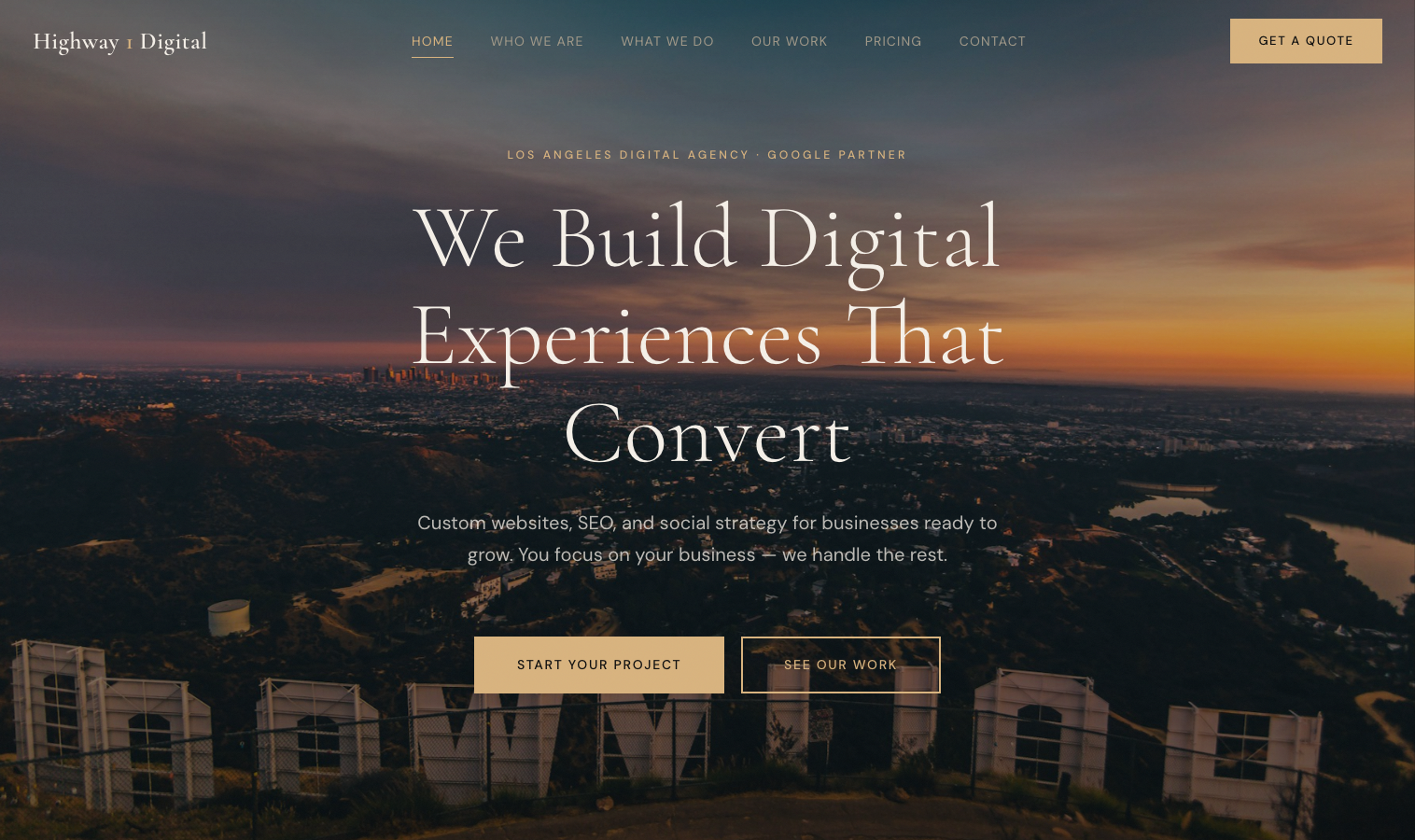
Dark Luxury
Near-black canvas, gold accents, Cormorant Garamond serif. Cinematic editorial feel with grain texture overlay and slow fade-in animations. Zero frameworks, zero build step.
 V1b
V1b
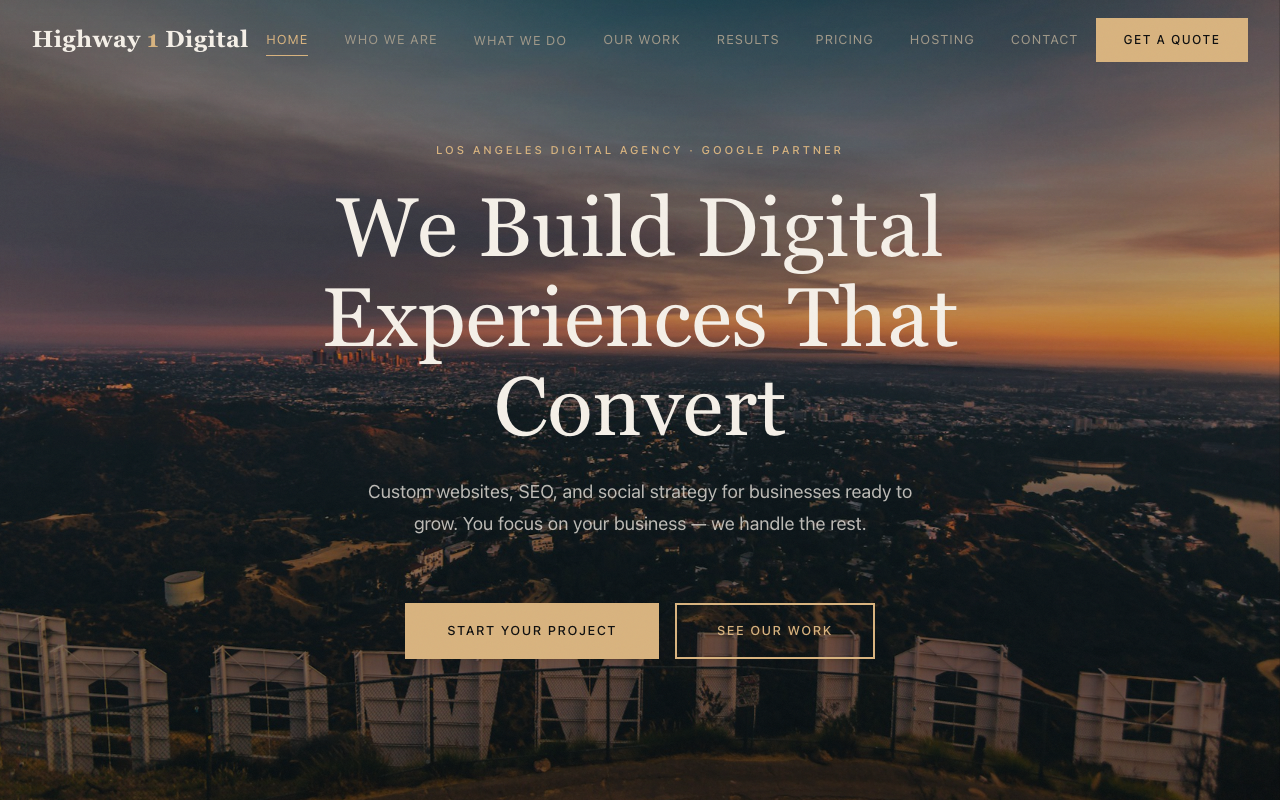
Dark Luxury — Impeccable
V1 revised with Impeccable design principles. Asymmetric stats with lead narrative, weighted industry grid with featured cards, left-aligned section headers, and ease-out-quart easing throughout.
 V1c
V1c
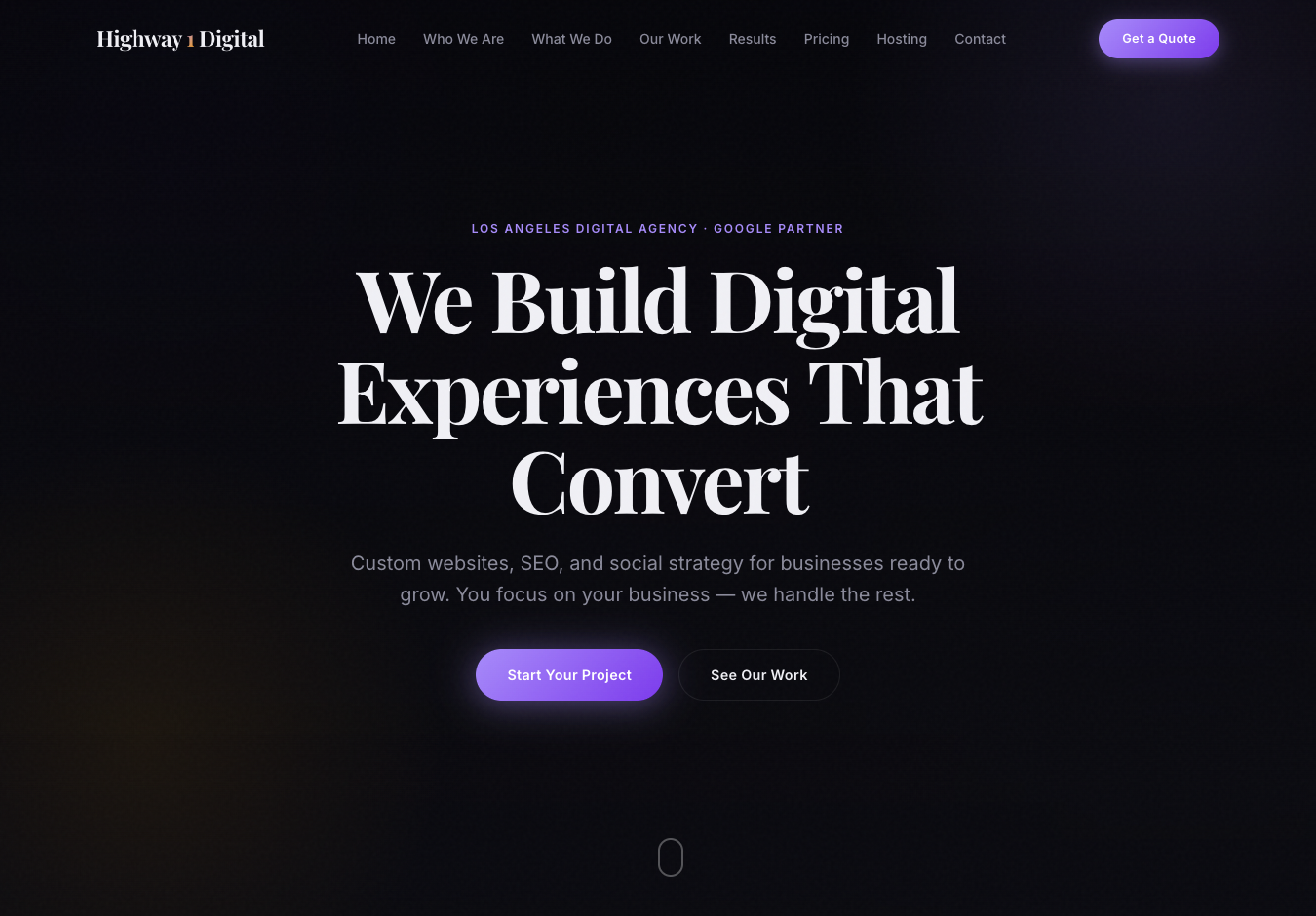
Motion Design
V1 Dark Luxury enhanced with MotionSites-style animations: animated gradient hero, floating orbs, glassmorphism nav/cards, word-by-word headline reveals, parallax scrolling, animated stat counters, mouse-tracking glow.
 V2
V2
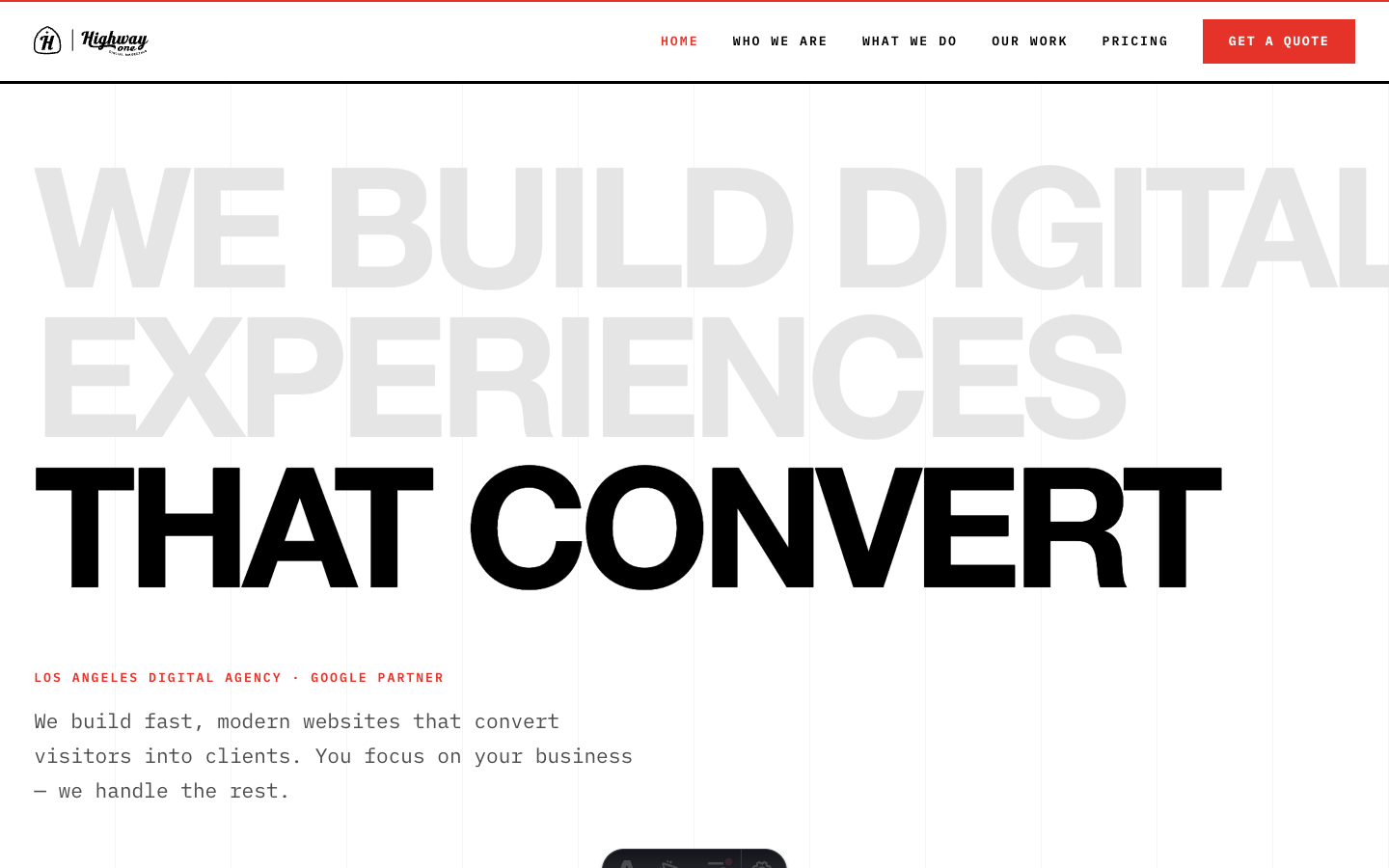
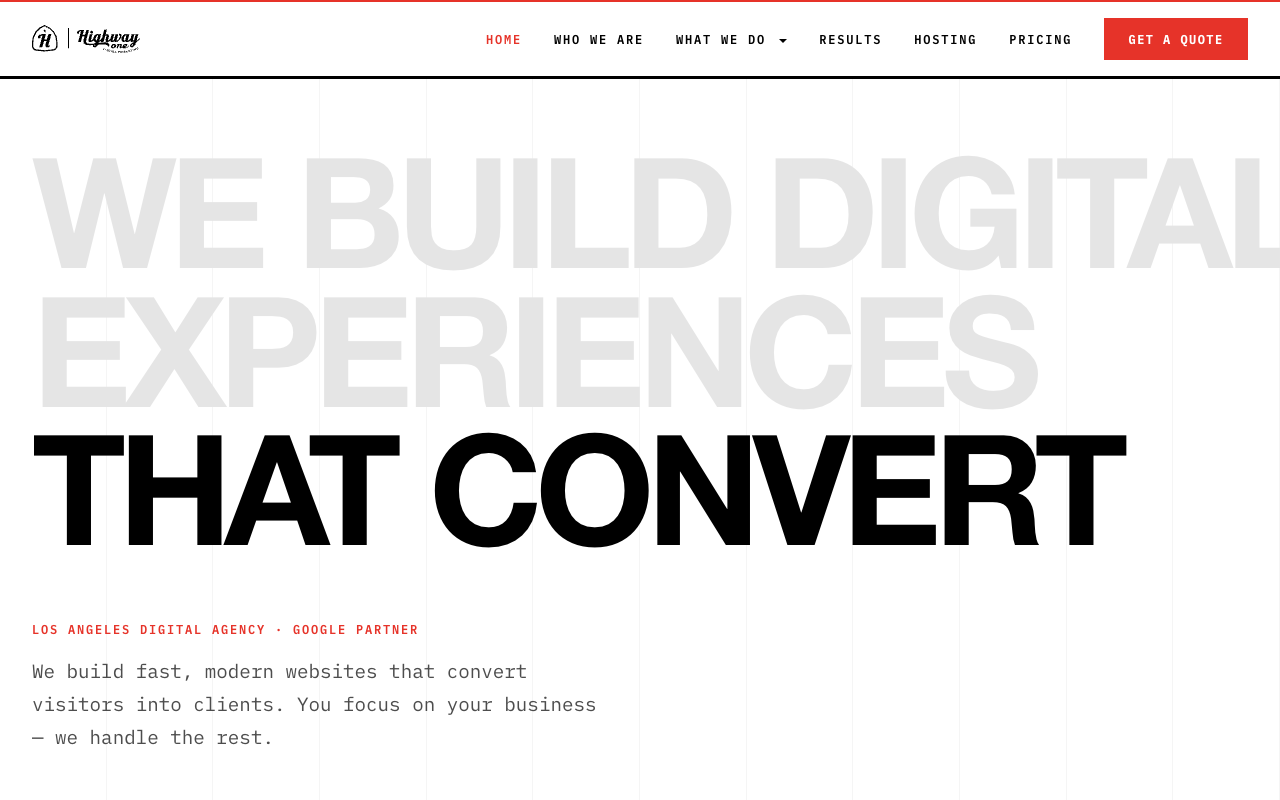
Clean Brutalist
Stark white, heavy black type, raw CSS grid with visible structure. Maximum contrast, thick borders, asymmetric layouts. Helvetica Neue display with IBM Plex Mono.
 V2b
V2b
Clean Brutalist — Impeccable
V2 revised with Impeccable design principles. Weighted stats bar with lead item, L-shaped service grid with wide featured card, tiered industry hierarchy with featured + compact layout.
 V3
V3
Futuristic Glassmorphism
Deep navy base, electric blue neon accents, frosted glass cards with backdrop blur. Syne display + Space Mono. Glowing dot grid background texture.
 V3b
V3b
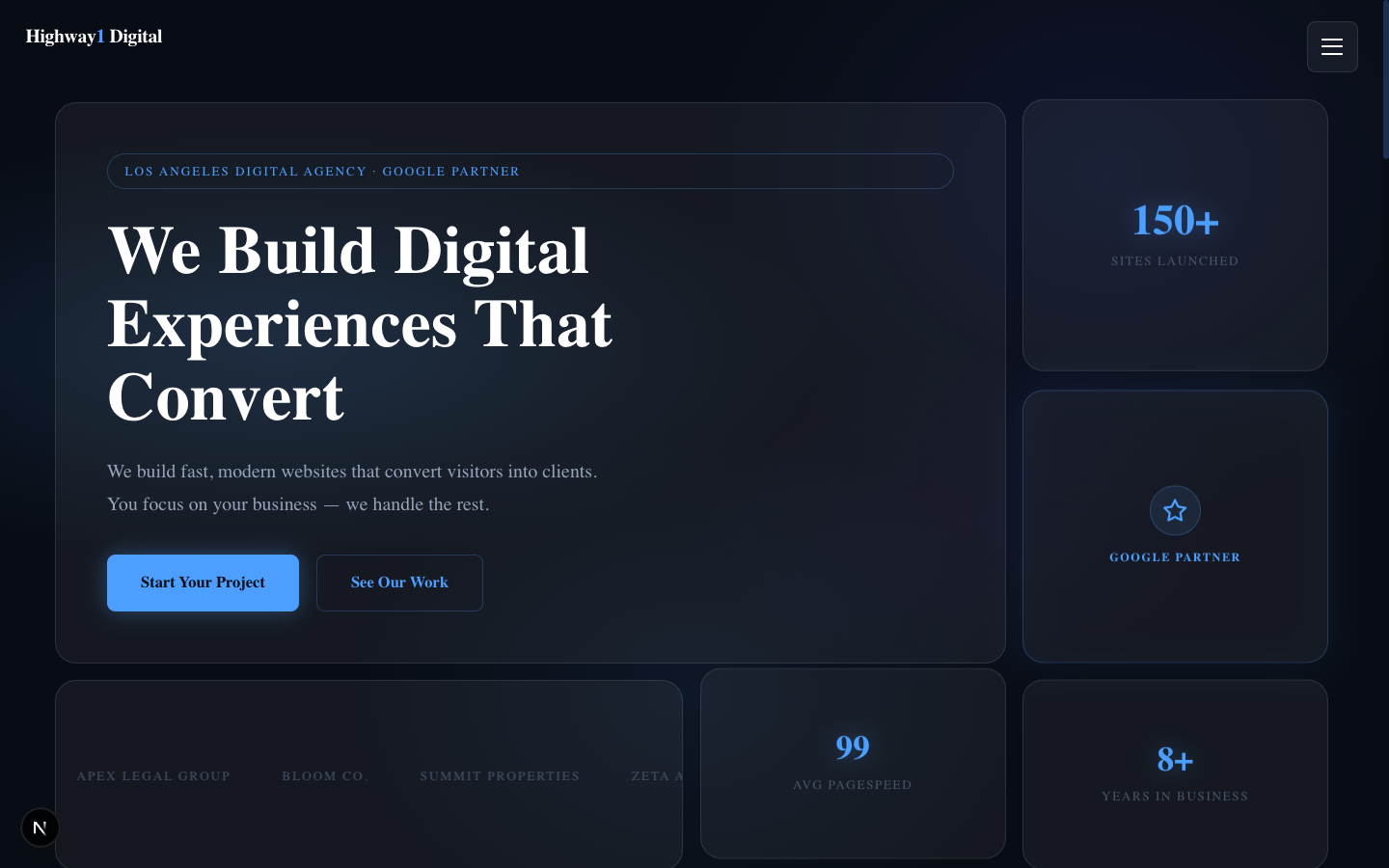
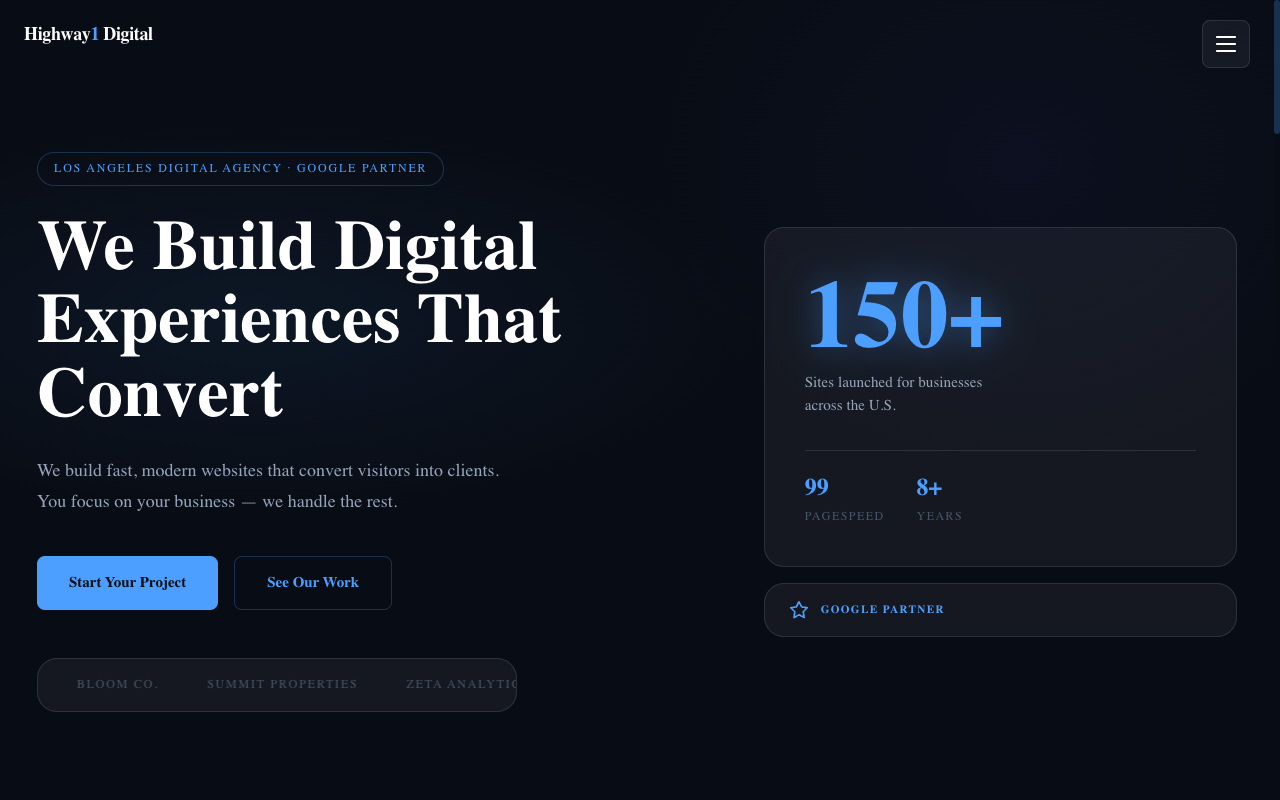
Glassmorphism — Impeccable
V3 revised with Impeccable design principles. Split hero with consolidated stat block, one-shot entrance animations replacing perpetual float, reduced gradient mesh, weighted stats and L-shaped service grid.
 V4
V4
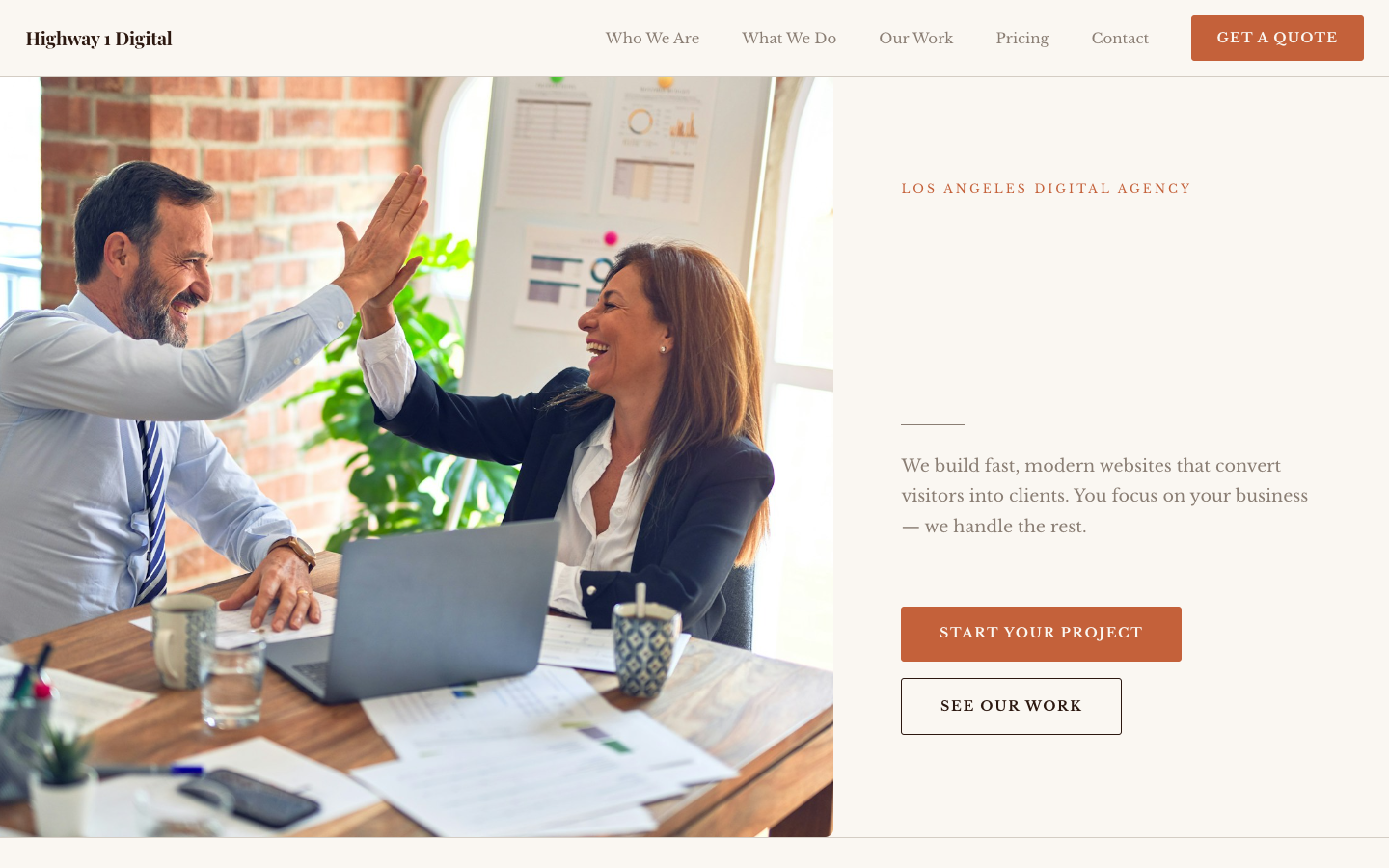
Warm Editorial
Off-white parchment, dark brown type, warm terracotta accent. Playfair Display + Libre Baskerville. Magazine-style layouts with pull quotes and ruled lines.
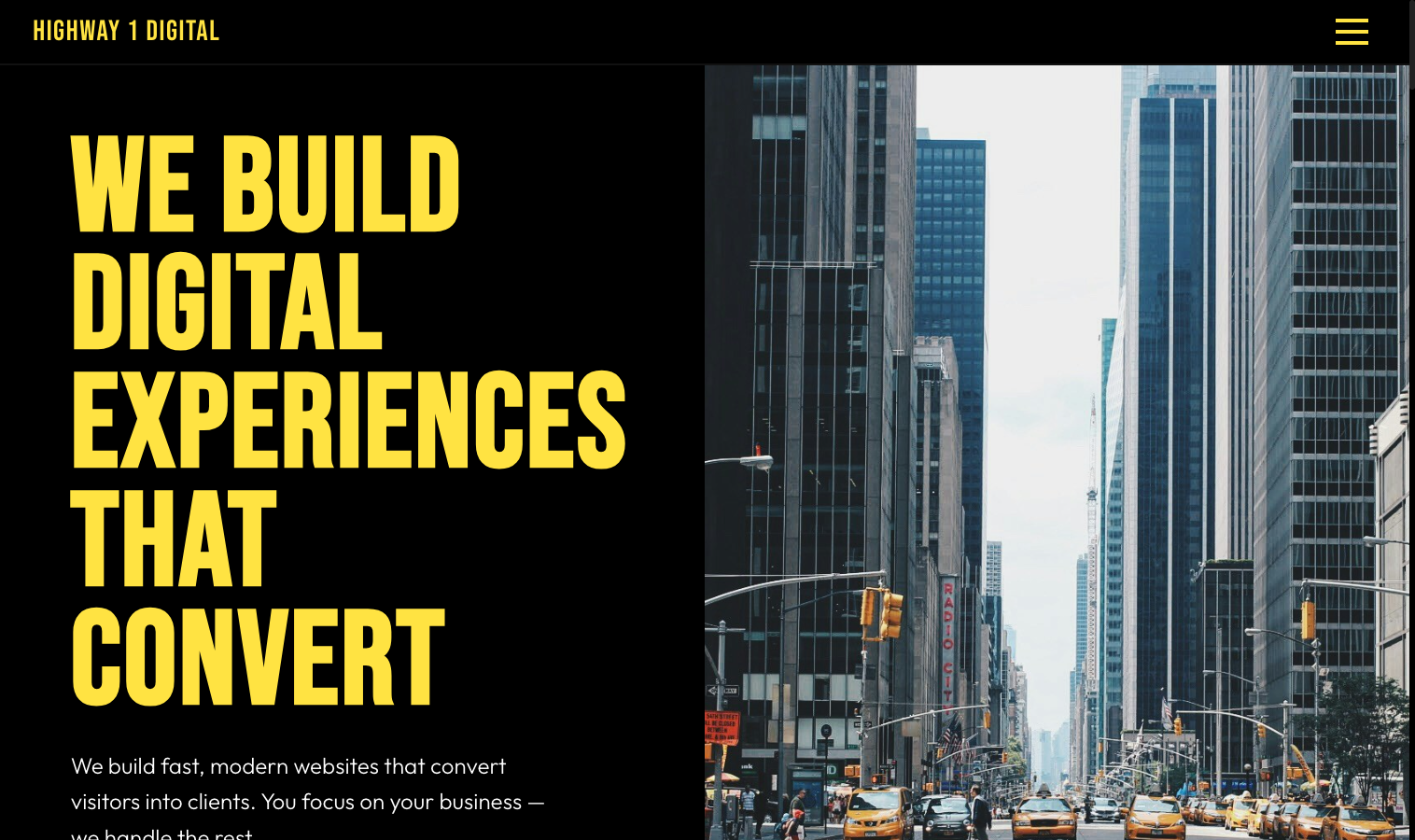 V5
V5
Bold / Loud
Electric yellow on pure black. Oversized Bebas Neue display type, maximum energy. Big numbers, dramatic whitespace, surprising color blocks.
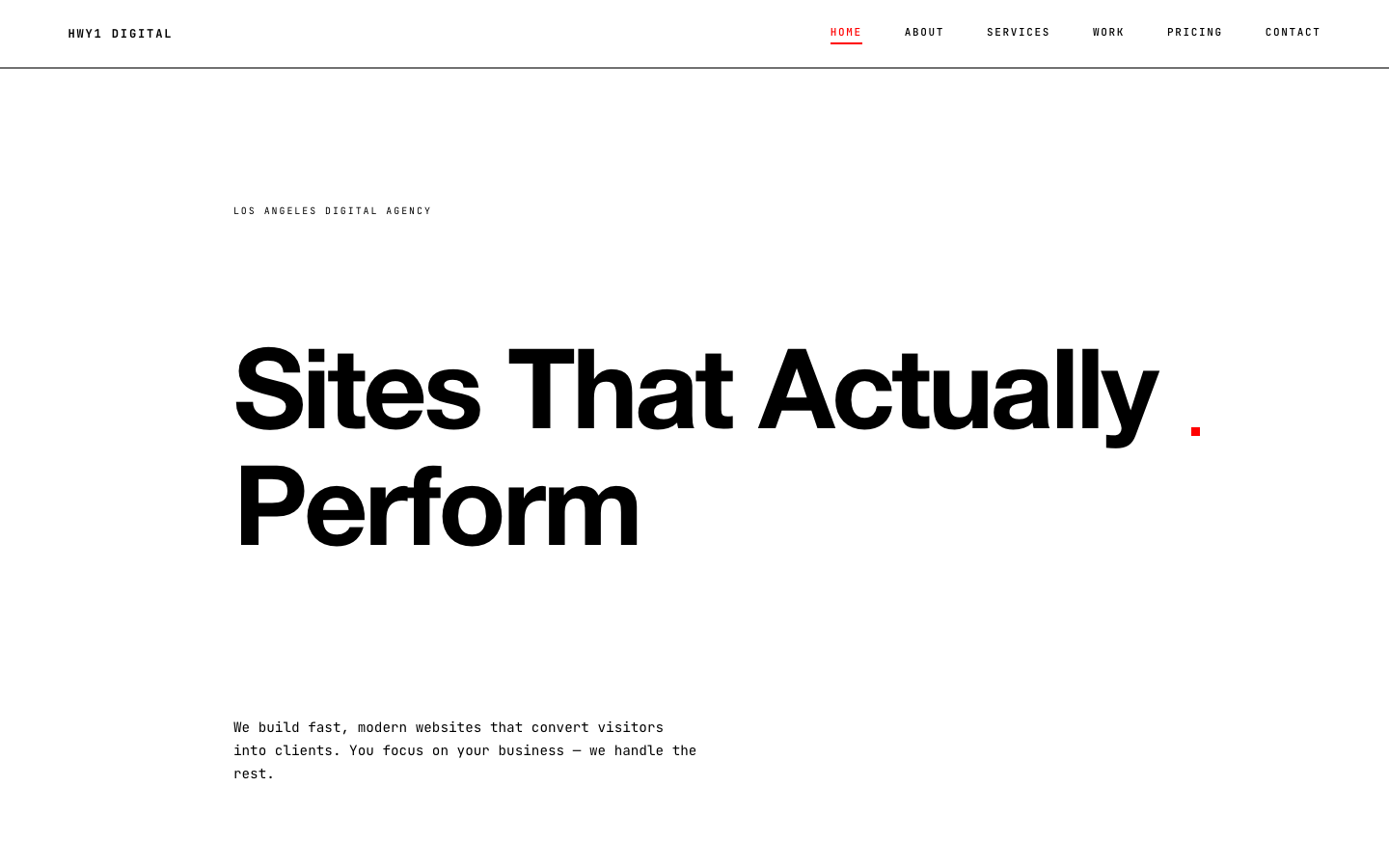 V6
V6
Minimal Swiss
International Typographic Style. Pure white, black, single red accent. Strict grid, heavy negative space, monospace data. The discipline is the aesthetic.
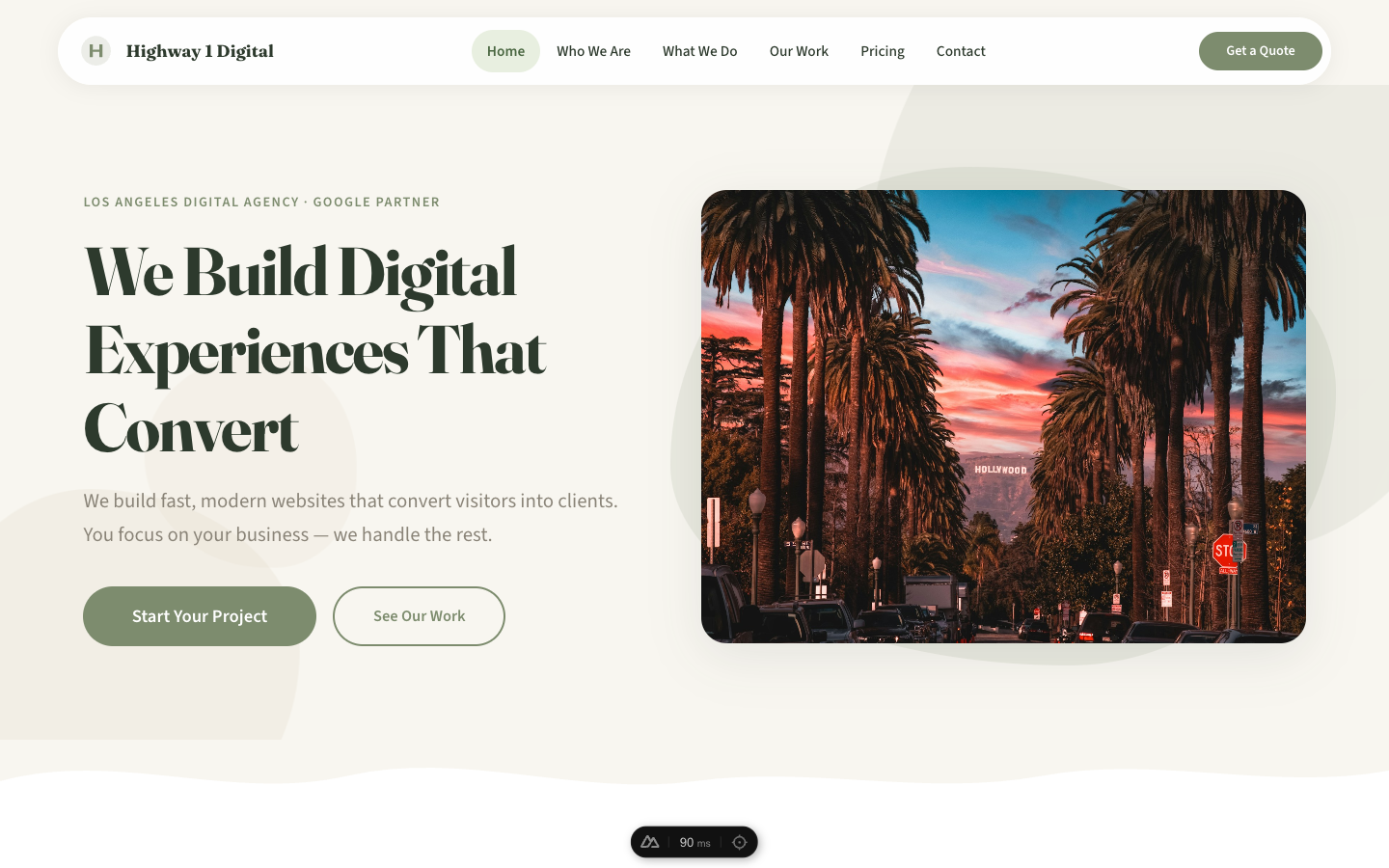 V7
V7
Organic / Natural
Soft sage green on warm cream. Fraunces serif + Source Sans 3. Organic rounded corners, soft shadows, nature-inspired decorative elements.
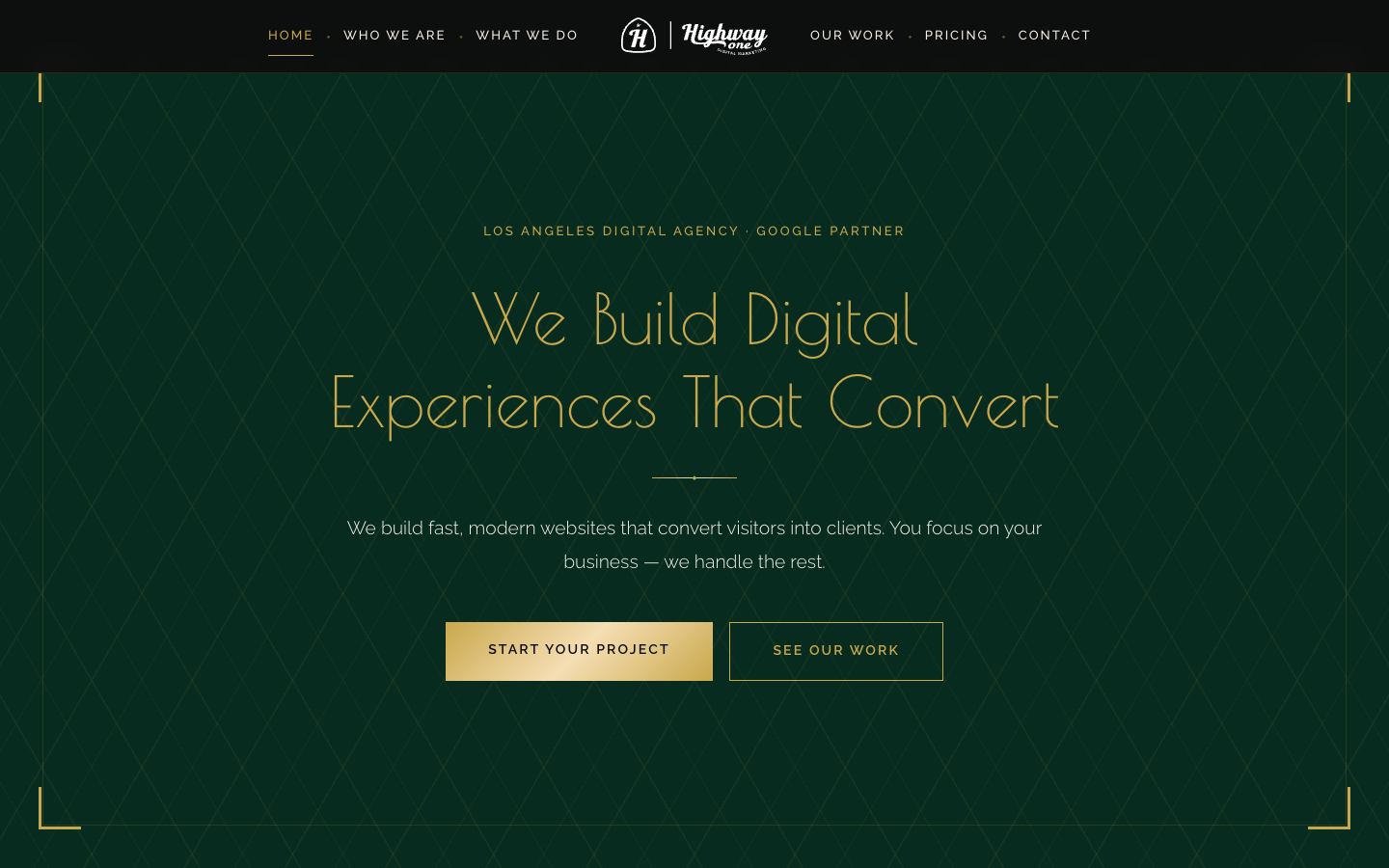 V8
V8
Art Deco
Deep emerald and gold on near-black. Geometric patterns -- chevrons, fan shapes, radiating lines. Poiret One display + Raleway body. 1920s luxury hotel meets modern web.
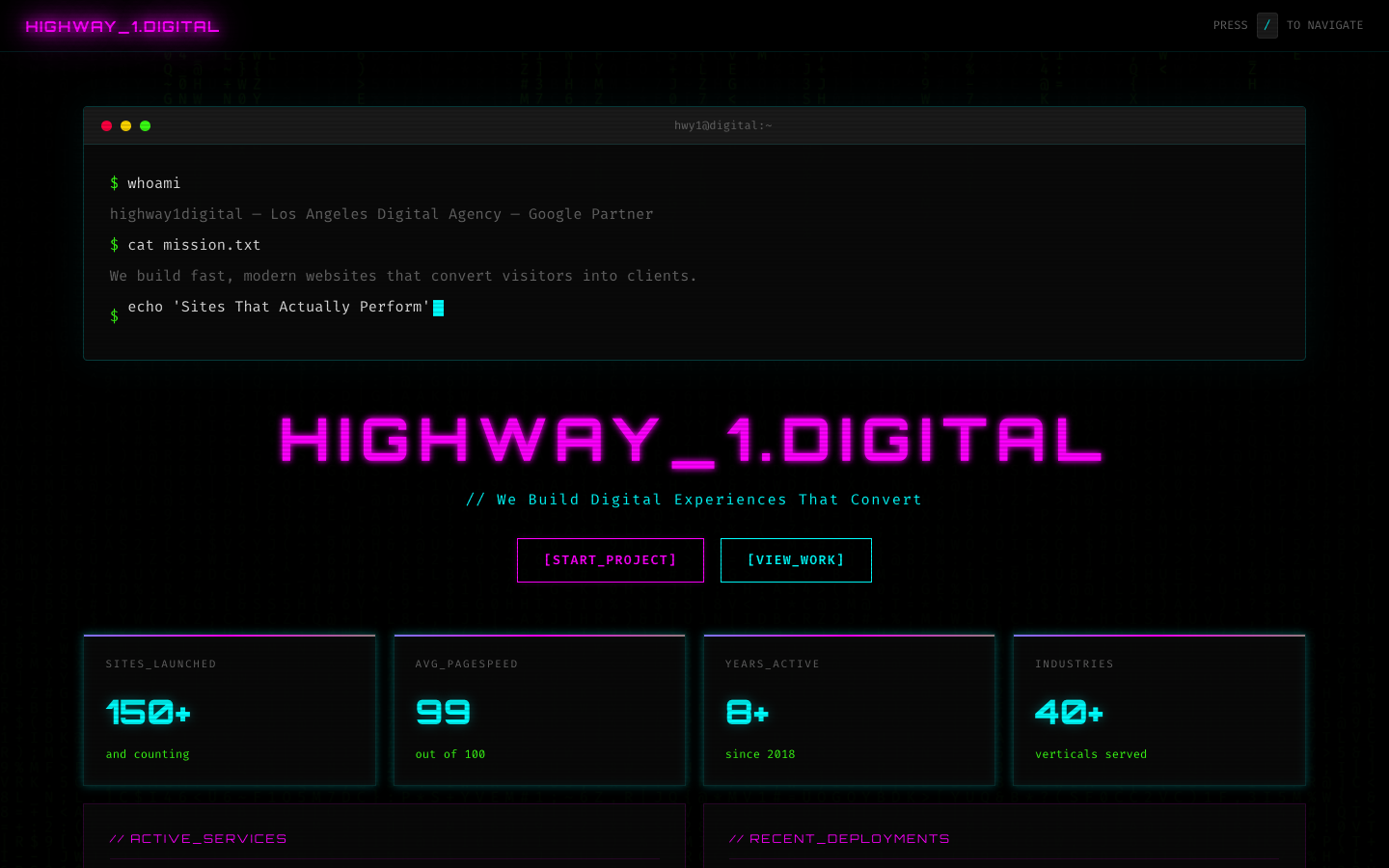 V9
V9
Neon Cyberpunk
Pure black with neon magenta and cyan. Orbitron display + Fira Code mono. Scanline overlay, glitch text effects, animated gradient borders.
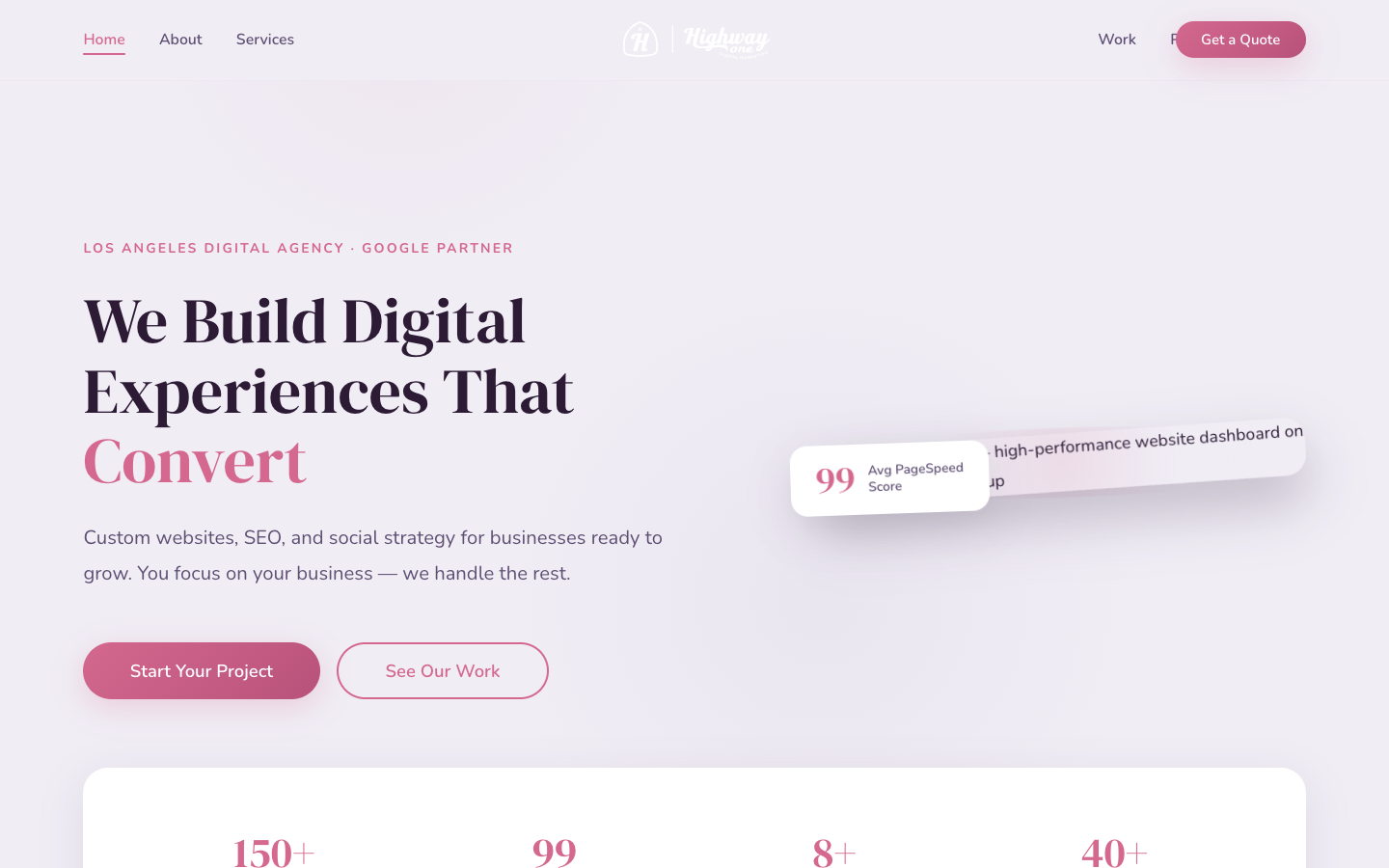 V10
V10
Soft Premium
Soft lavender background, deep plum text, rose accent. DM Serif Display + Nunito. Rounded corners, gentle shadows, pastel gradients. Premium beauty/fashion feel.
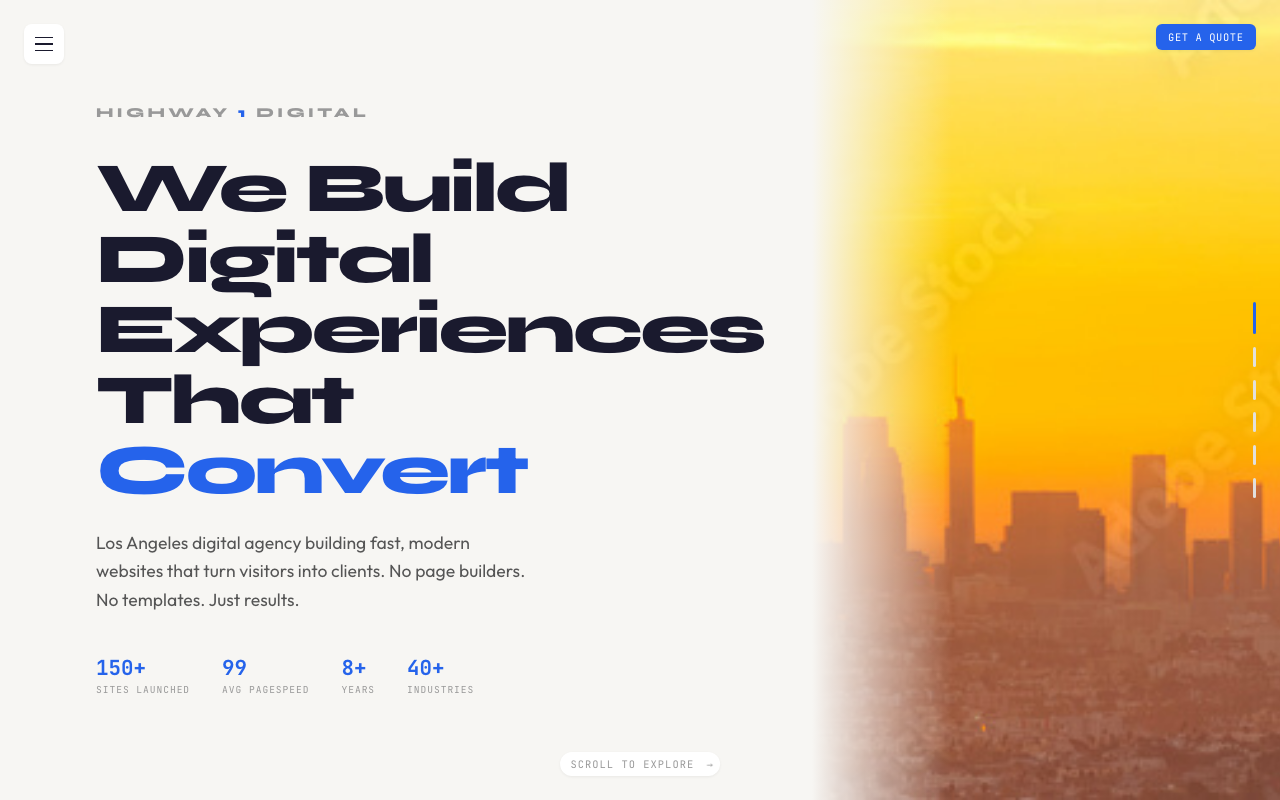 V11
V11
Blade Dashboard
Horizontal blade navigation. 6 full-viewport panels with cinematic transitions, canvas particle system (highway light streaks), constellation layout, and momentum-based scrolling. Syne + Outfit + JetBrains Mono.
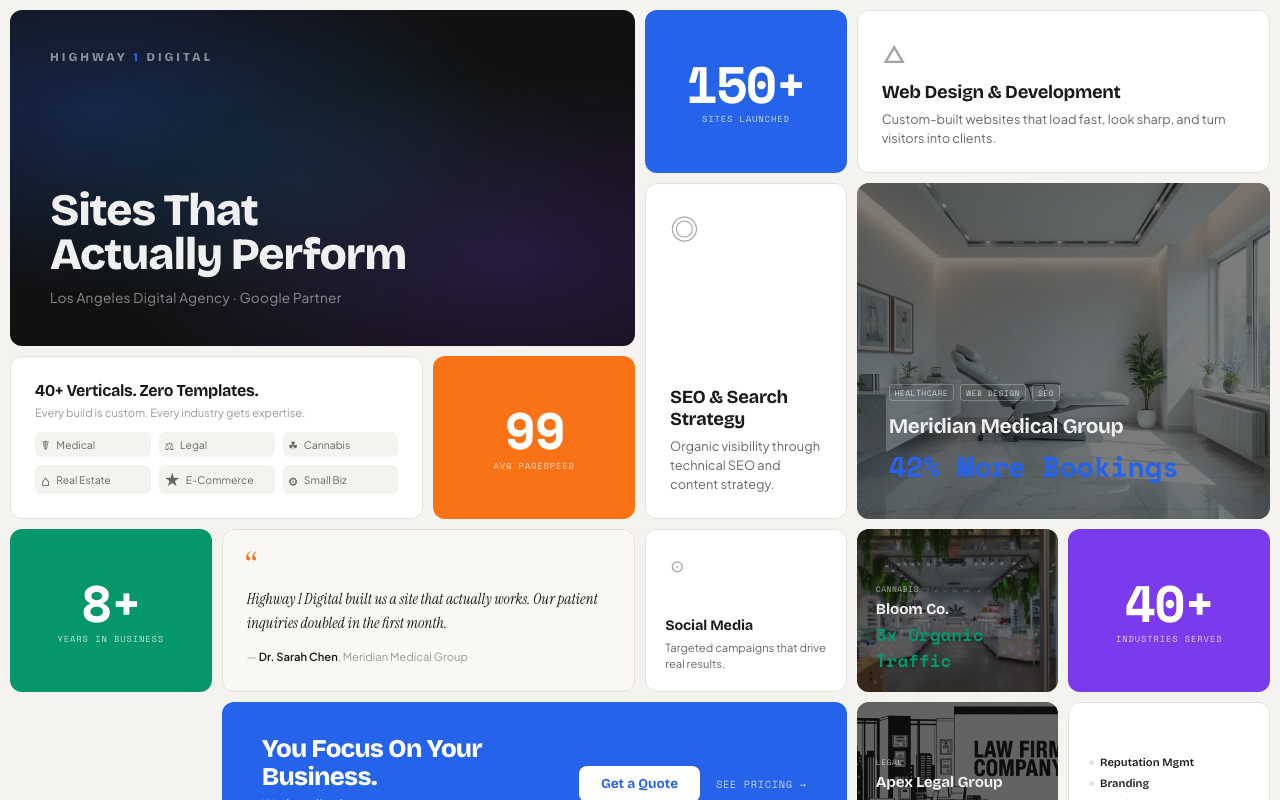 V12
V12
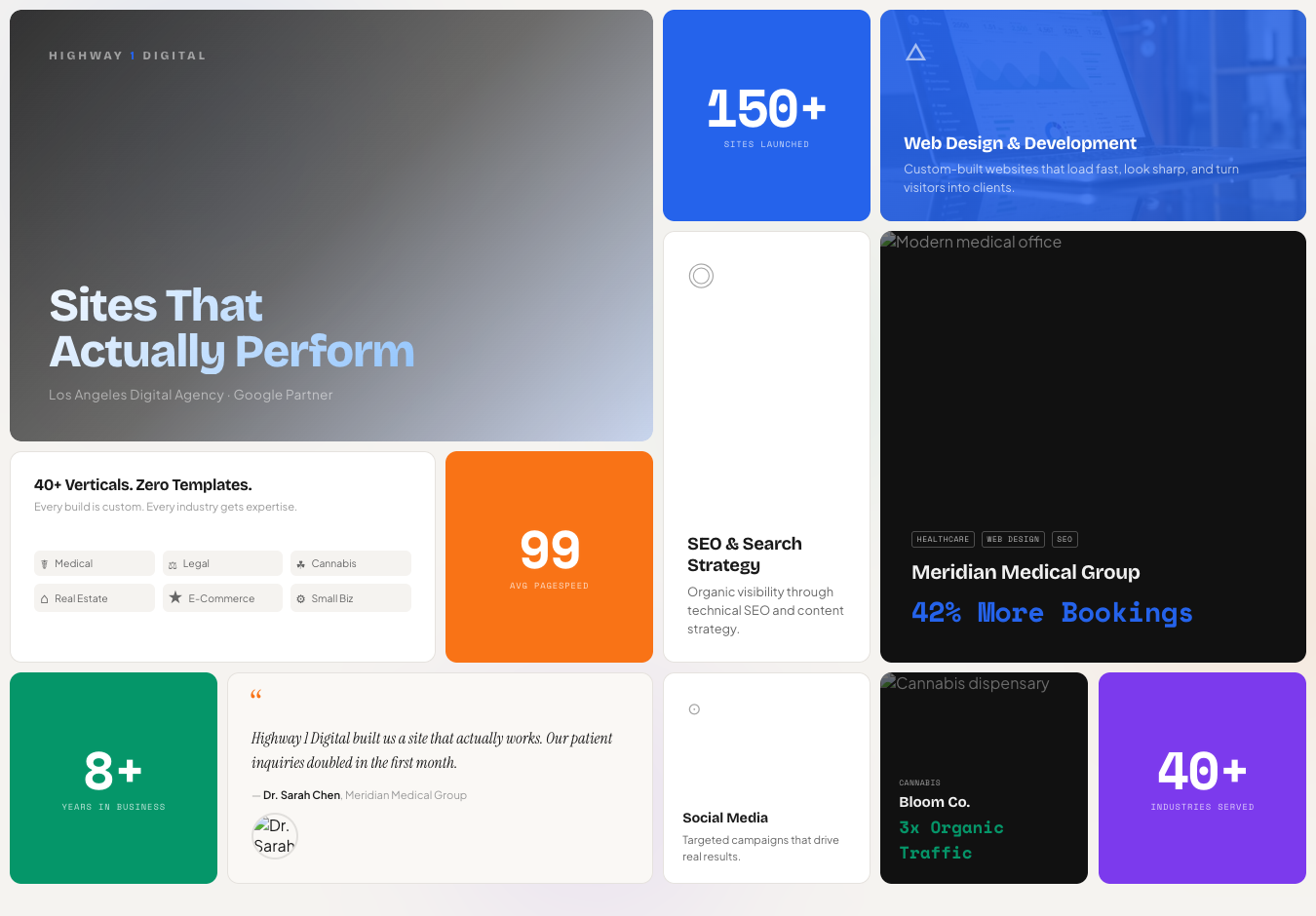
Bento Board
Asymmetric bento grid mosaic with 15 tiles. Click-to-expand overlays, stat count-up animations, 4-color accent system. Bricolage Grotesque + Plus Jakarta Sans + Space Mono + Instrument Serif.
 V12b
V12b
Bento Motion
V12 Bento grid enhanced with 3D mouse-tracking tilt, animated gradient borders, glassmorphism hero overlay, floating decorative orbs, hover glow matching tile accent colors, gradient text headlines.
 V13
V13
Cinematic Scroll
Full-screen scene-based scroll experience. 7 cinematic scenes with cross-dissolve transitions, canvas light streaks, scroll-driven stat reveals, and floating text overlays. Unbounded + Manrope + Anton + Cormorant Garamond.
 V13b
V13b
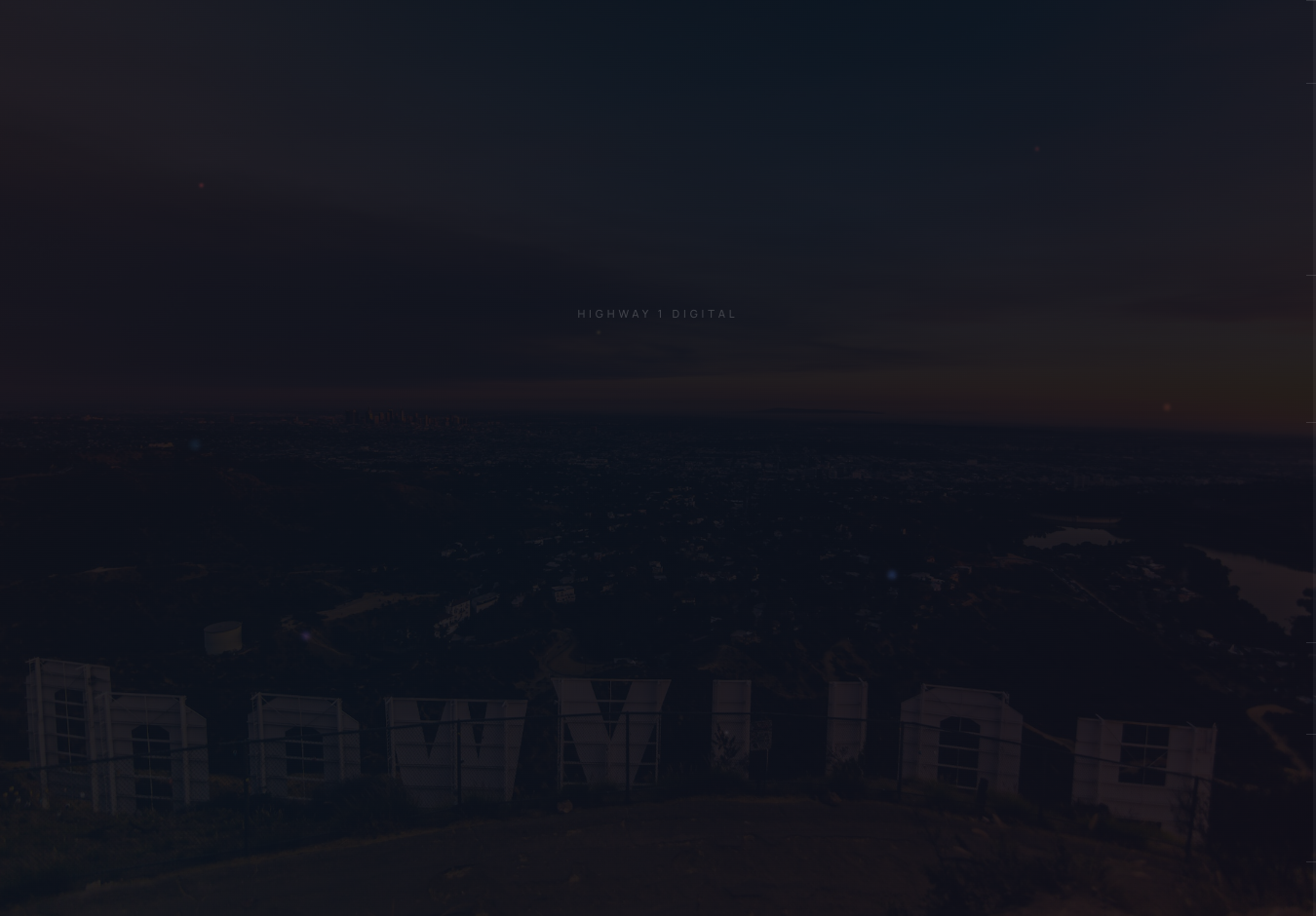
Cinematic Motion
V13 Cinematic enhanced with character-level text animation, multi-layer parallax, floating bokeh particles, glassmorphism nav/cards, animated gradient text, scene transition wipes, SVG line-draw effects.
 V14
V14
Cinematic Scroll II
Warm amber cinematic scroll with CSS bokeh orbs, moving spotlight, horizontal film-style progress bar, and scene counter. Archivo Black + Instrument Sans + Bebas Neue + Playfair Display.
 V15
V15
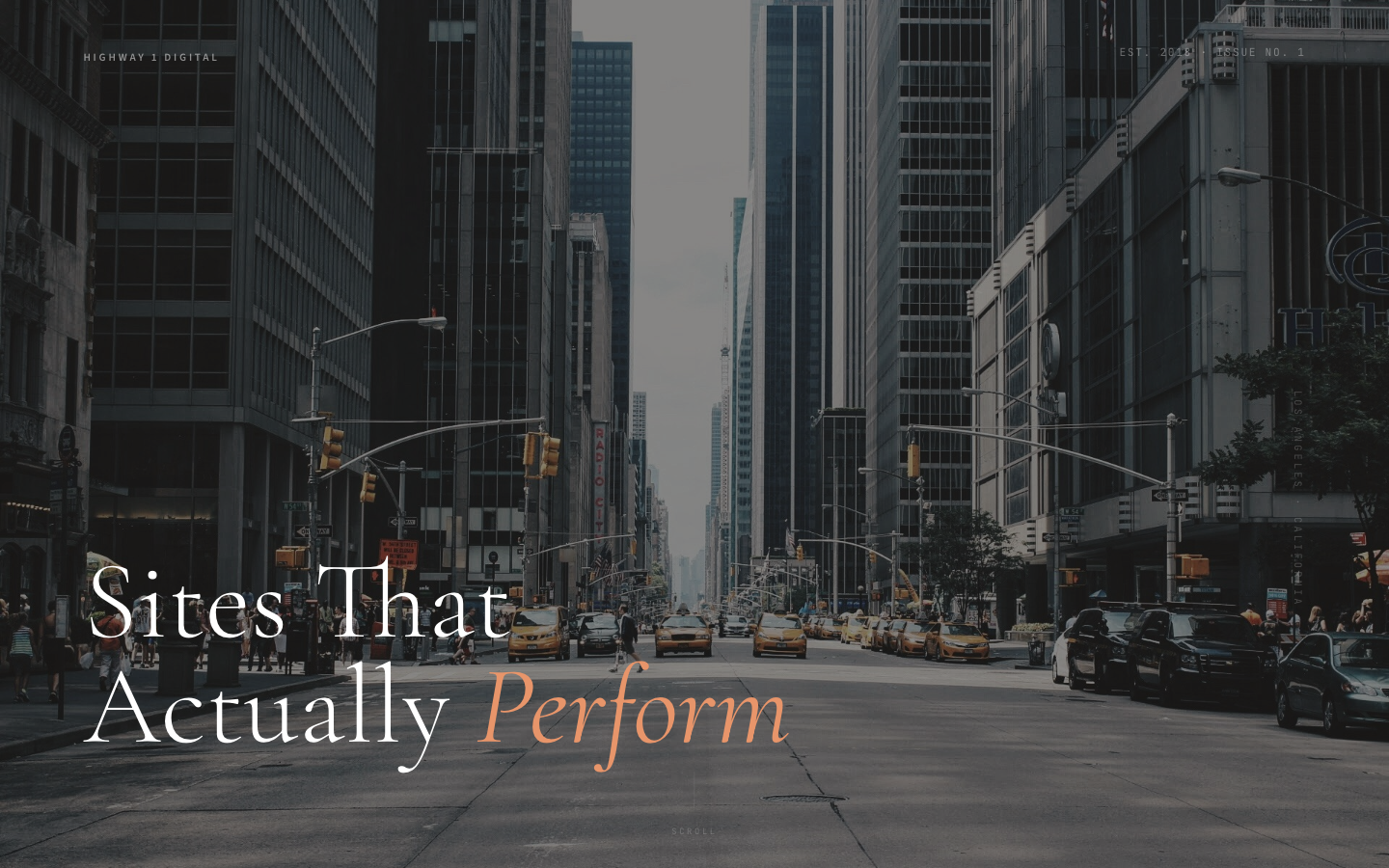
Magazine Spread
Editorial magazine layout with 7 unique compositional spreads, full-bleed imagery, typographic wall, pull quotes, and parallax. Cormorant Garamond + Source Sans 3 + JetBrains Mono.
 V15b
V15b
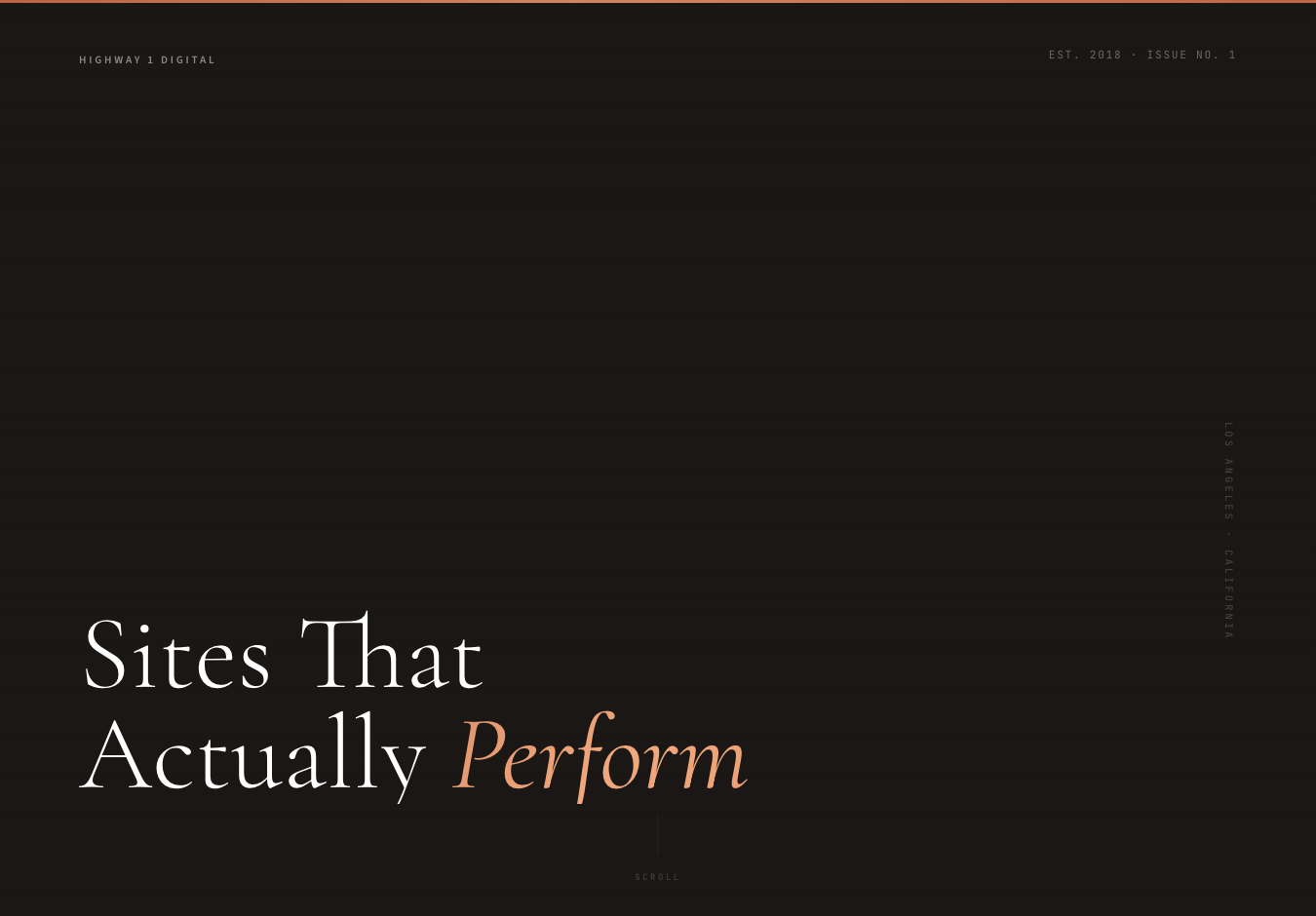
Magazine Motion
V15 Magazine enhanced with image clip-path mask reveals, animated drop caps, SVG line-draw dividers, glassmorphism pull quotes, scroll progress bar, headline word animation, shimmer CTAs.
 V16
V16
The Reveal Wall
Progressive construction layout where the page builds itself as you scroll. Blueprint grid, word assembly, count-up stats, border-draw cards, glass panels, spotlight reveal. Archivo Black + Instrument Sans + IBM Plex Mono + Lora.
 V17
V17
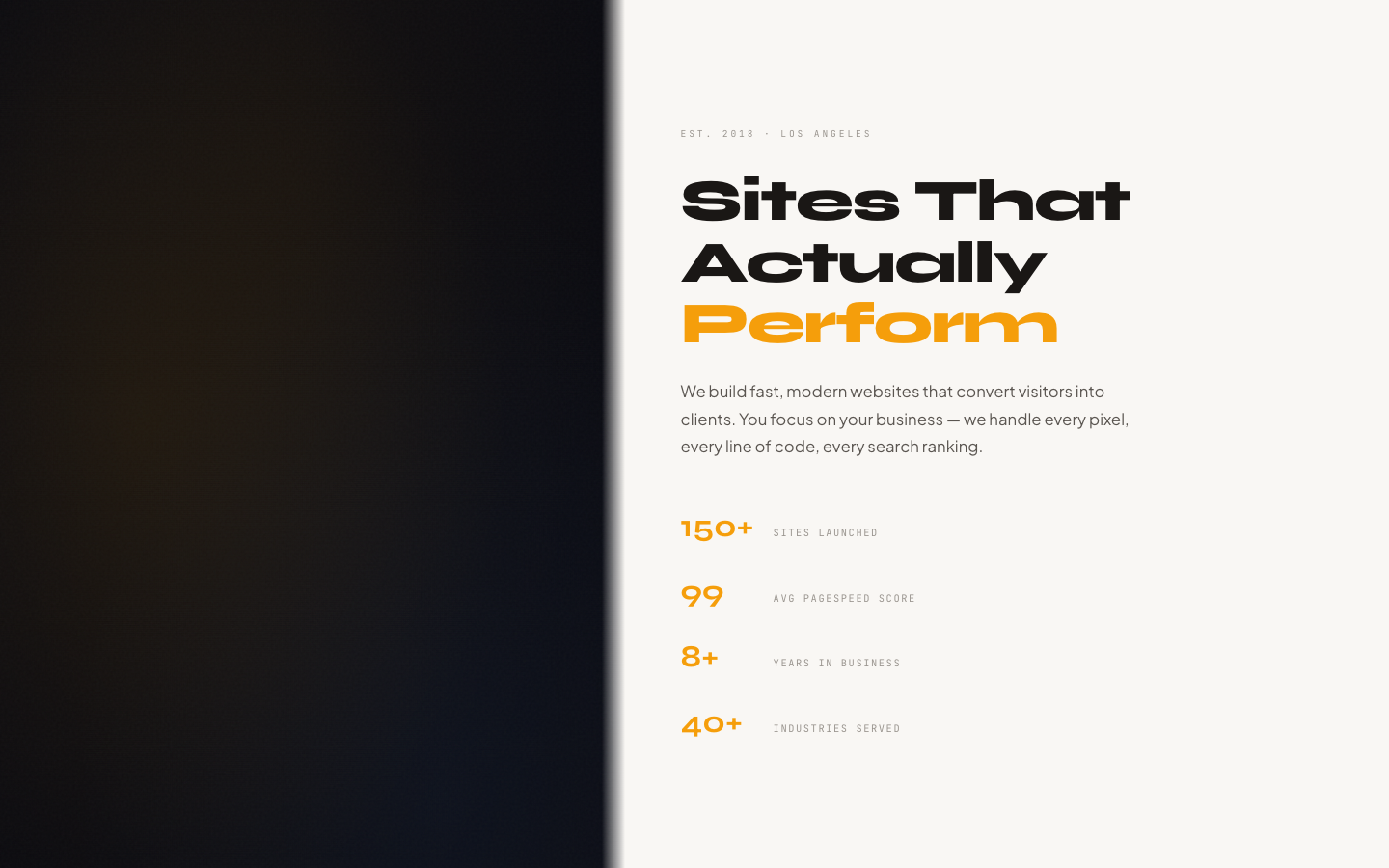
The Split Stream
Dual-column documentary layout with differential scroll speeds. Dark visual stream (left) and light content stream (right) tell parallel narratives. Syne + Plus Jakarta Sans + Bebas Neue + Instrument Serif.
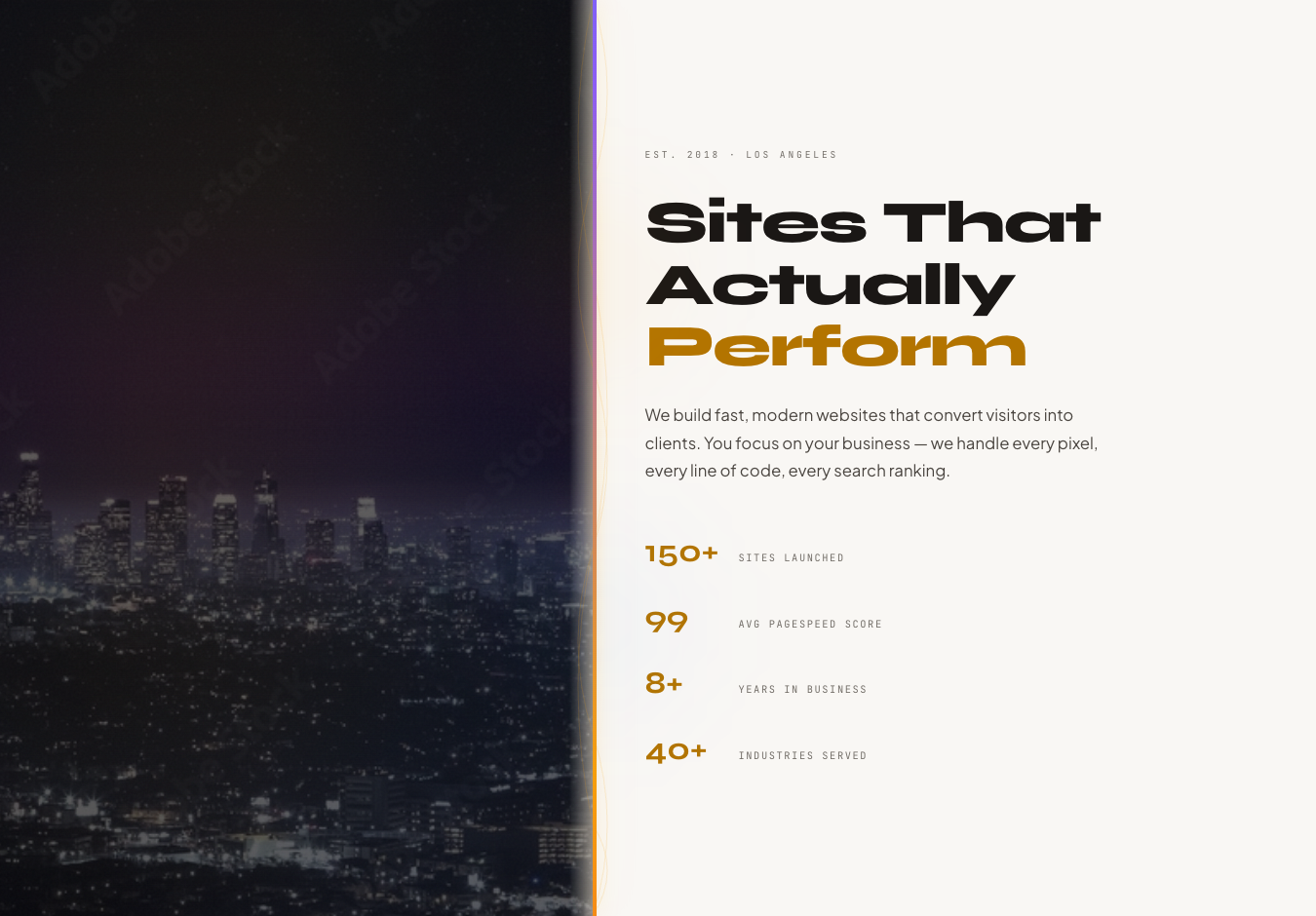 V17b
V17b
Split Motion
V17 Split enhanced with animated gradient divider, 3D perspective tilt on cards, morphing SVG connection lines, glassmorphism with mouse-tracking glow, animated counters, breathing accent orbs.
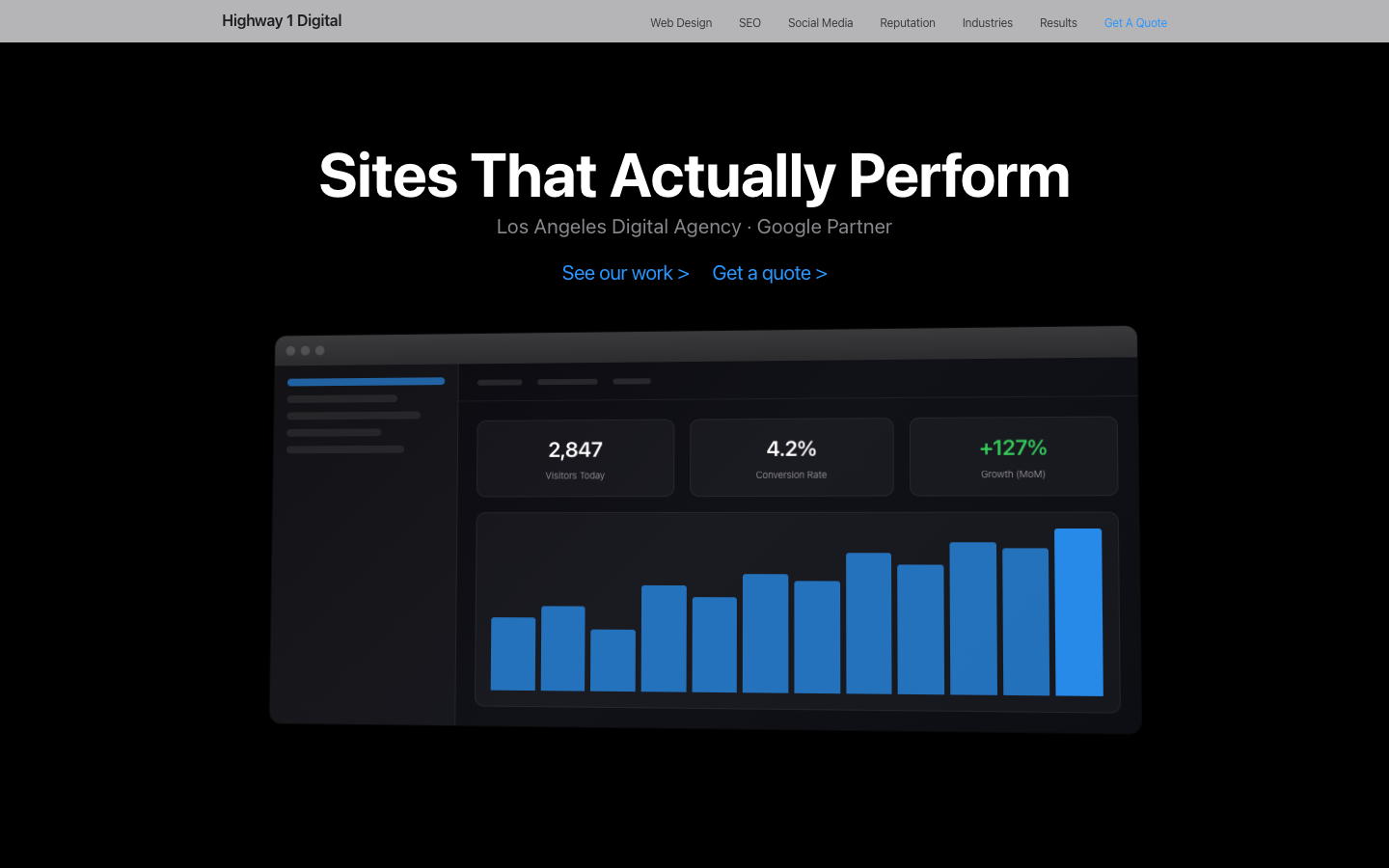 V18
V18
The Product Showcase
Apple-style billboard homepage with alternating light/dark sections, pinned scroll-driven stats, paired half-width cards, and monochromatic palette. System fonts + Georgia serif for testimonial.
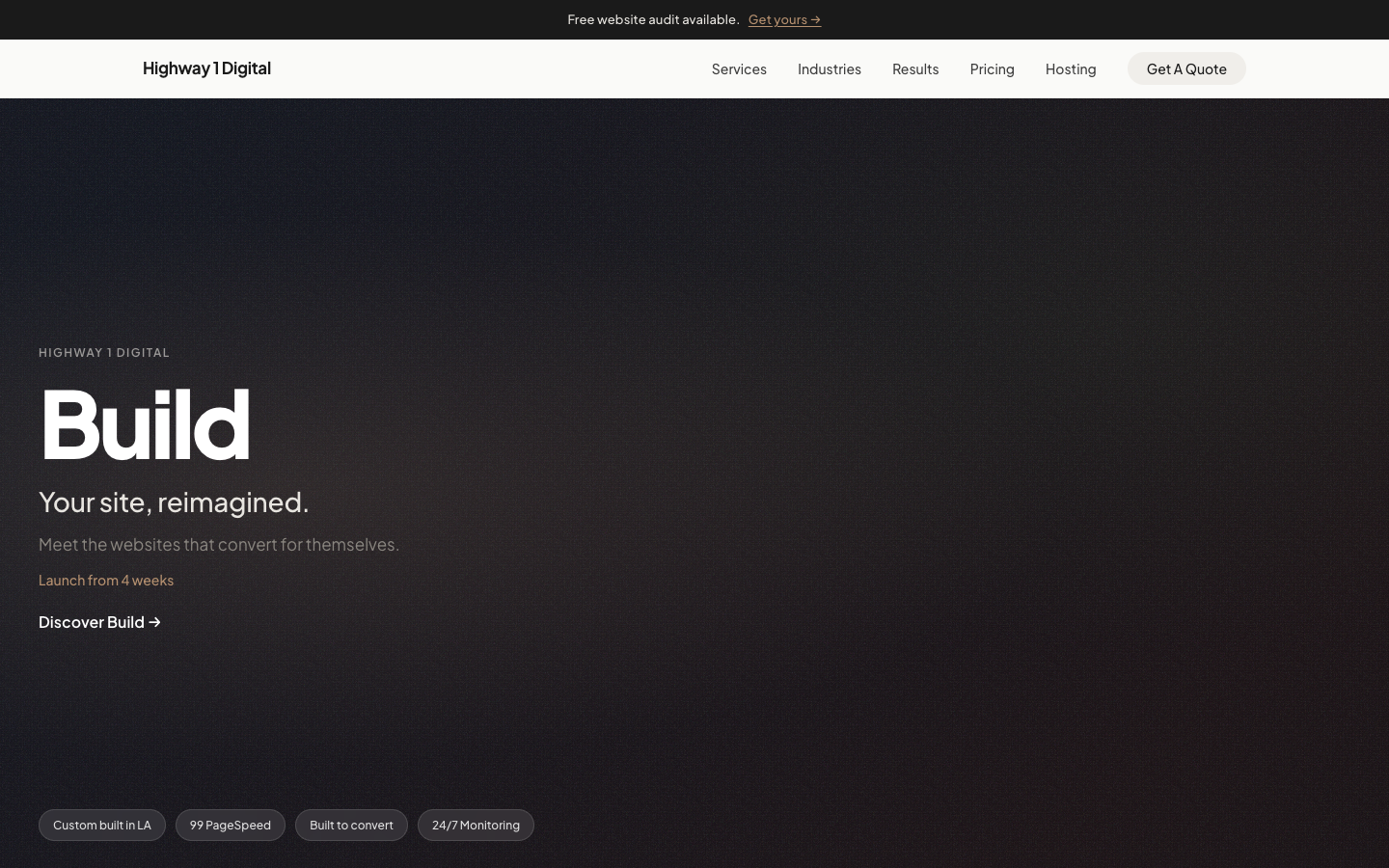 V19
V19
The Product Storyteller
Cowboy-style DTC product showcase with service families as product lines. Video heroes, comparison cards with specs, horizontal feature grid, community mosaic, tabbed reassurance. Plus Jakarta Sans.
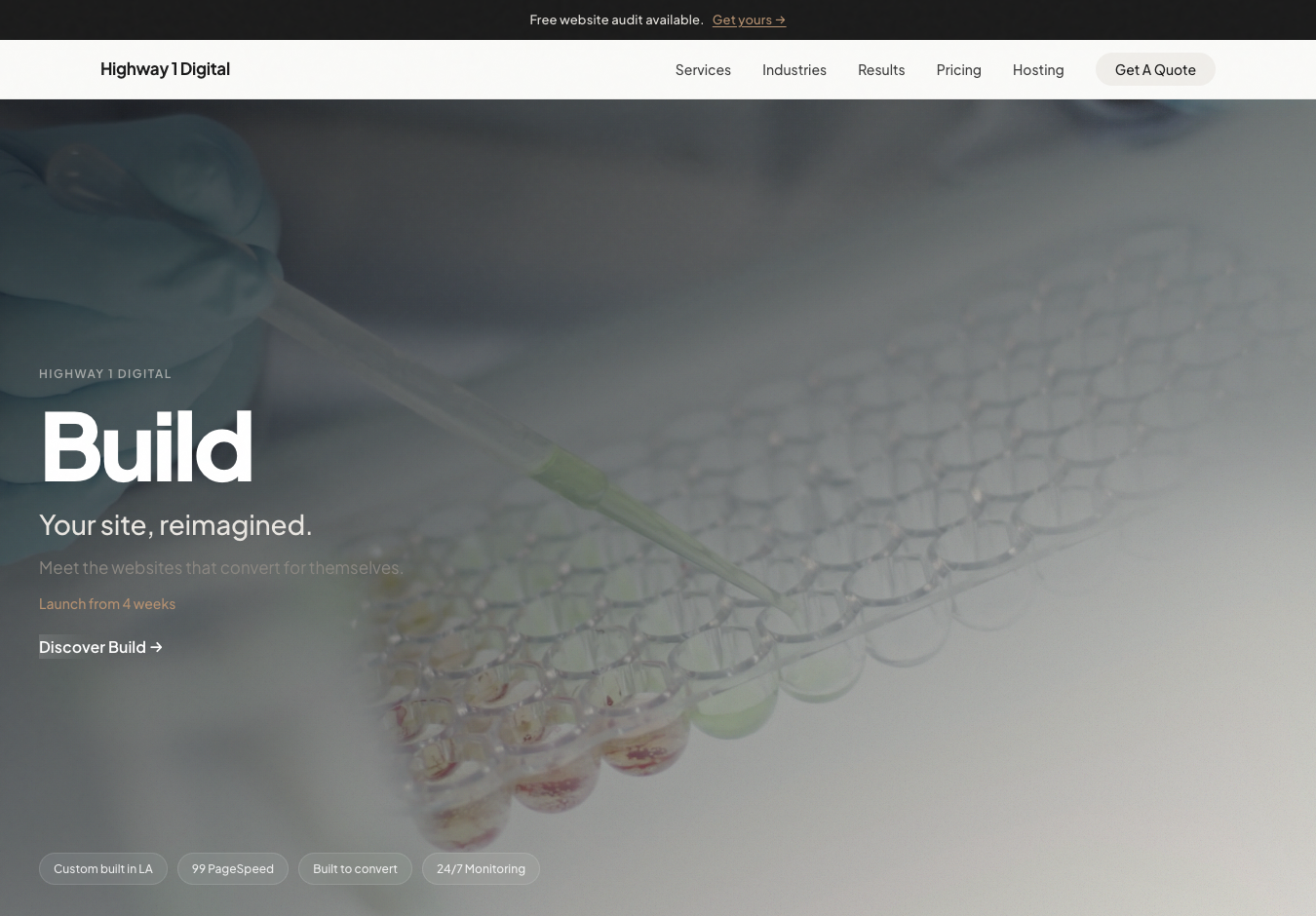 V19b
V19b
Cowboy Motion
V19 Cowboy enhanced with animated sunset gradient overlay, film grain texture, floating ambient orbs, parallax hero depth, glassmorphism chips/nav, pulsing CTAs, scroll-triggered section reveals, animated stat counters.
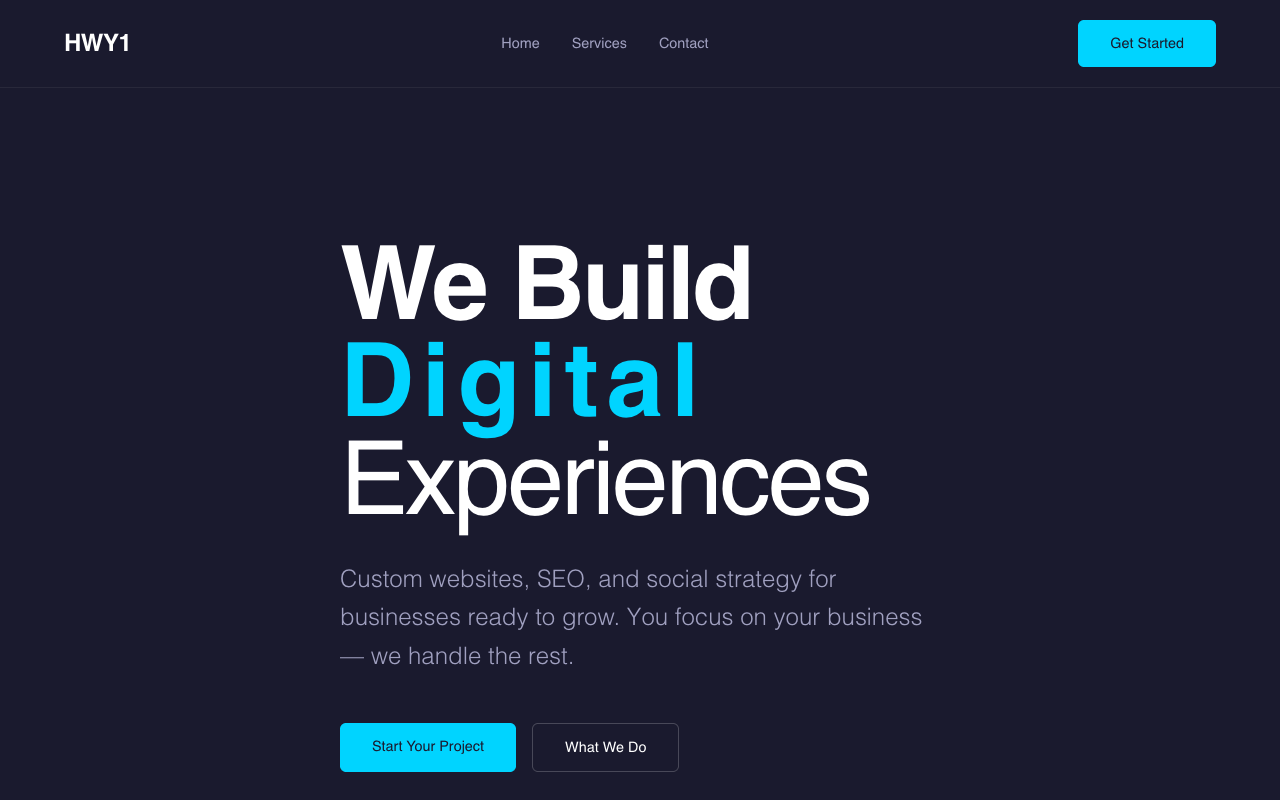 V20
V20
Kinetic
Kinetic typography-forward concept with horizontal service rhythm, bold motion cues, and a performance-first 5-page business structure.
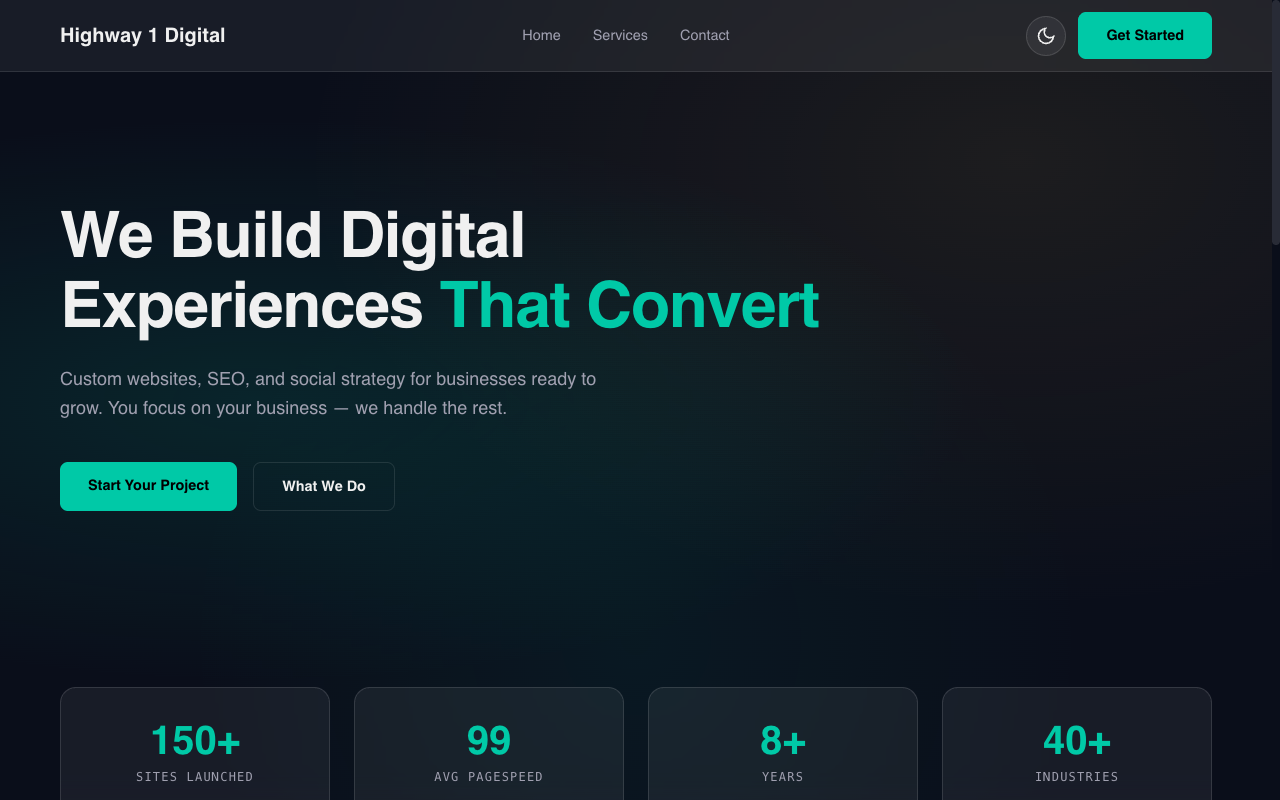 V20b
V20b
Kinetic — Darkmode Revision
Refined dark variant of V20 with glass layers, contrast balancing, and the same 5-page production structure tuned for readability.
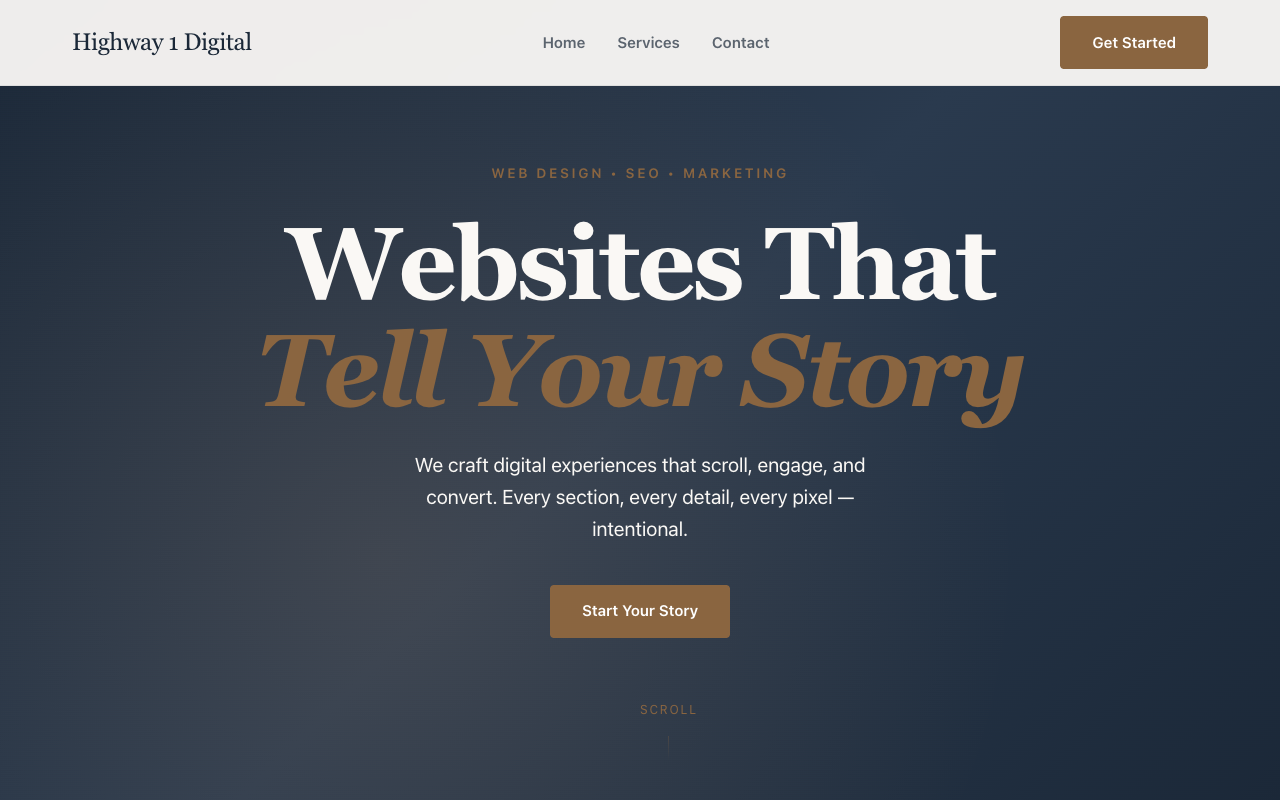 V22
V22
Scrollytelling
Editorial long-scroll homepage with chapter-based narrative. Instrument Serif + Source Sans 3, navy/off-white/copper palette, progress bar, alternating full-bleed sections, scroll-triggered reveals.
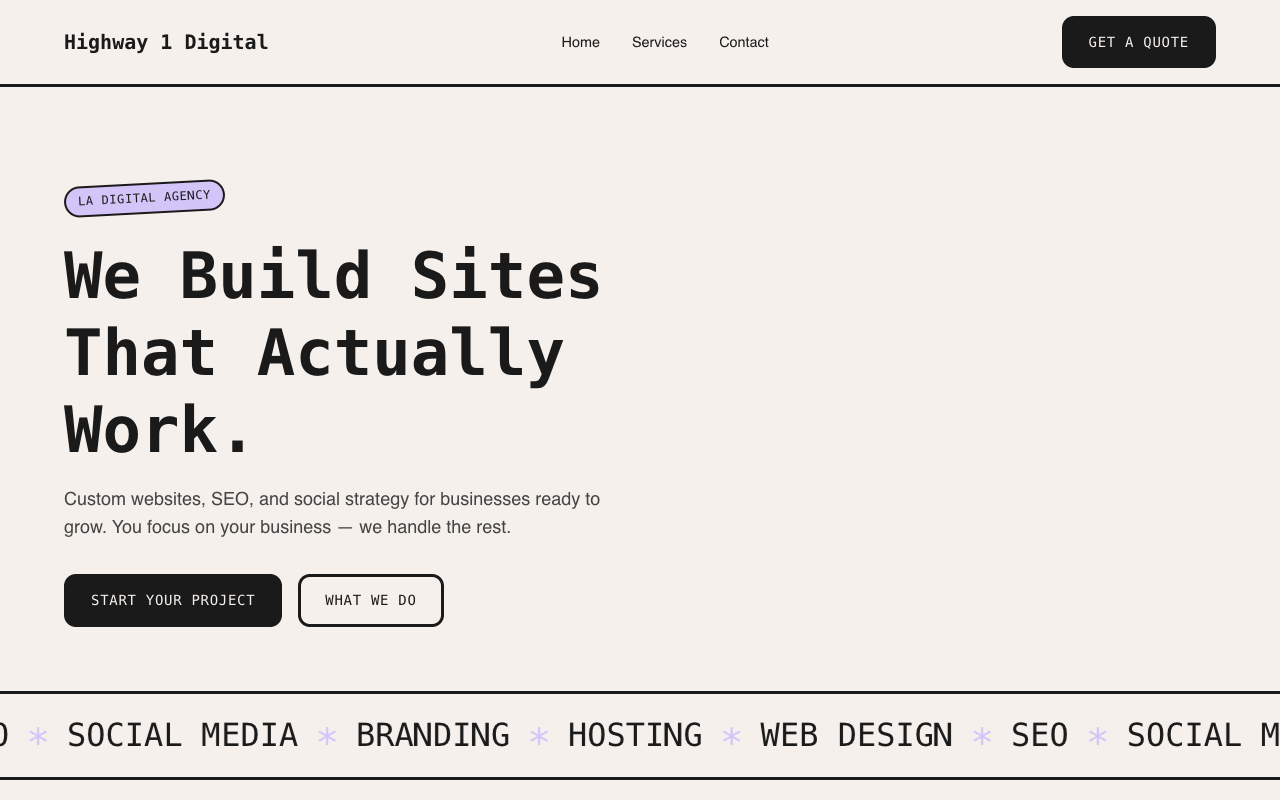 V23
V23
Brutalism
Bold geometric service architecture with badge-led hierarchy, sharp contrast blocks, and a practical 5-page SMB structure.
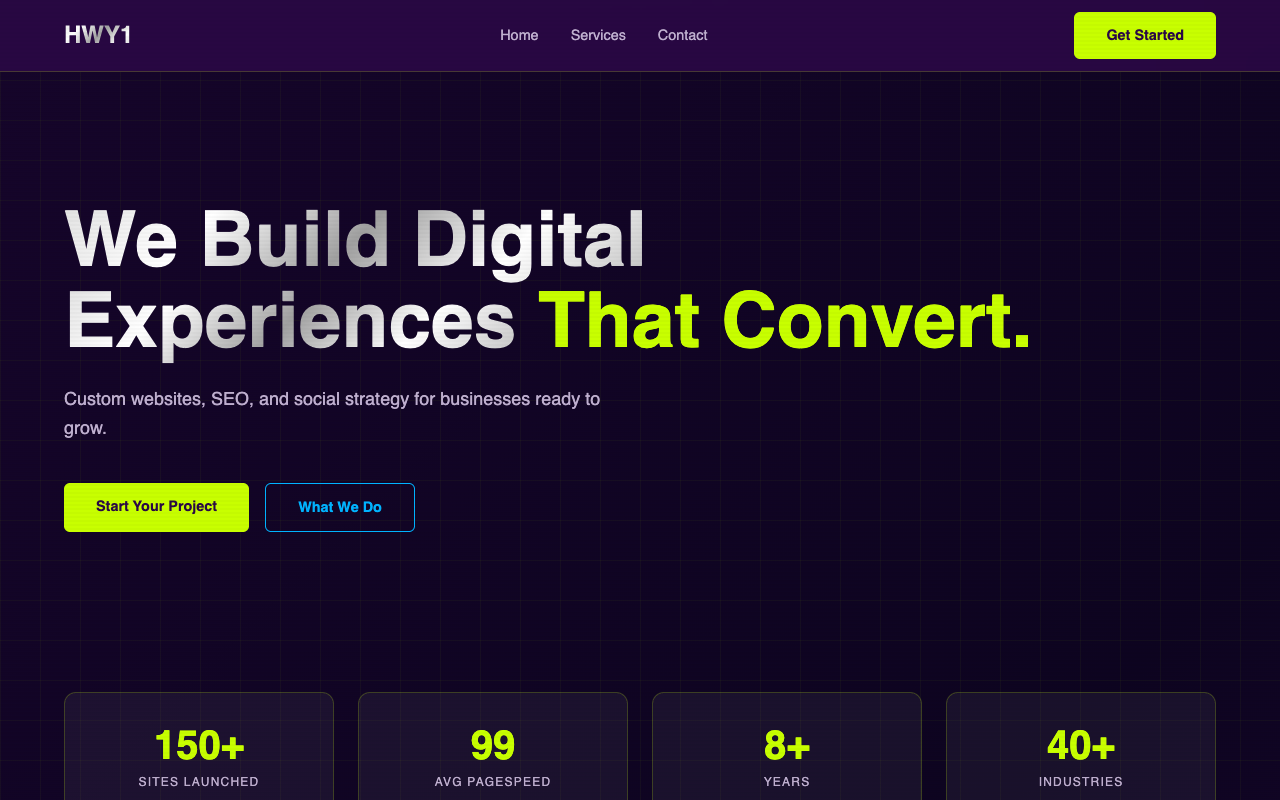 V23b
V23b
Brutalism — Retro Revision
Neon-retro reinterpretation of V23 with chrome display styling, glow cards, and stronger campaign-era visual energy.
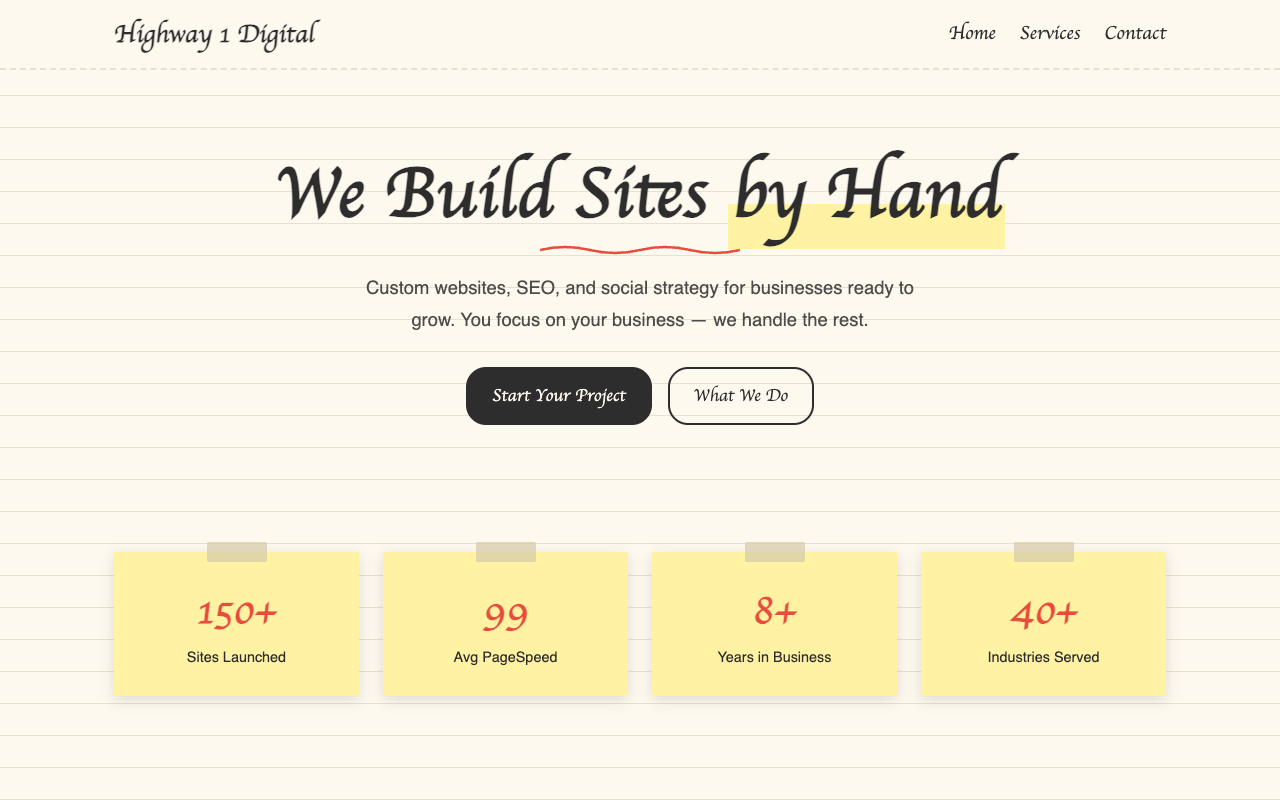 V24
V24
Handcrafted
Organic handmade visual language with paper textures, marker accents, and sticky-note storytelling adapted to a complete 5-page structure.
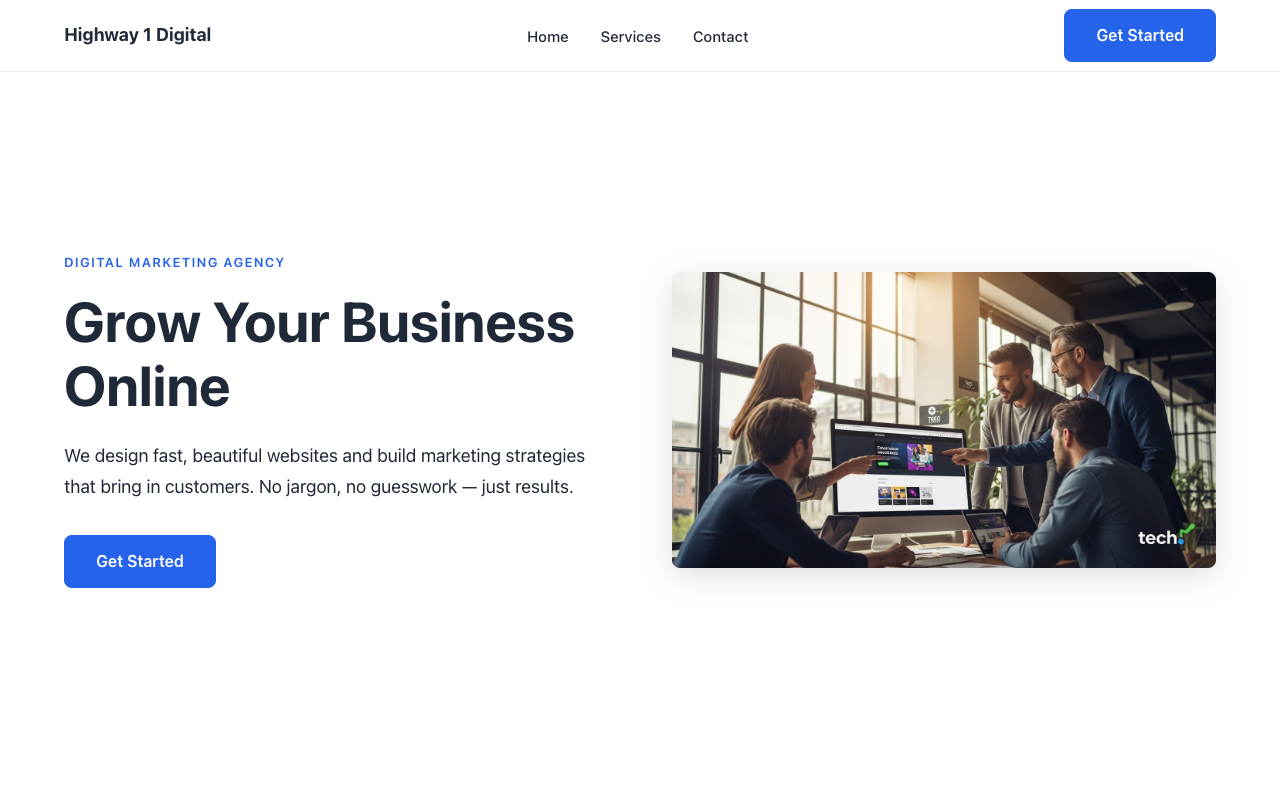 V26
V26
Clean Professional
Standard business site with split hero, 3-col service cards, stats strip, and testimonial card. Inter font, blue/white palette, 8px radius, connected-nodes hero SVG.
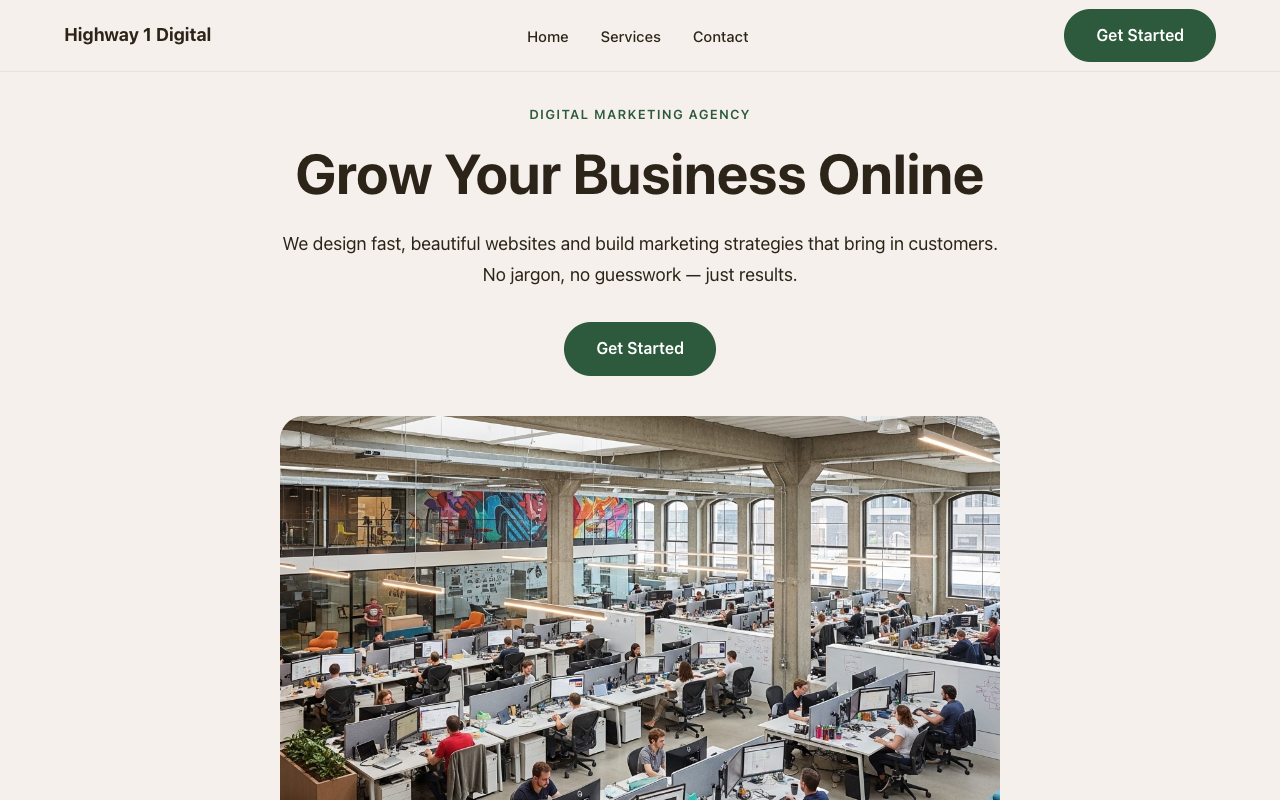 V27
V27
Warm Neutral
Centered hero with organic shapes SVG, warm stone background, forest green accents, 24px radius, scroll-snap testimonial carousel, philosophy section.
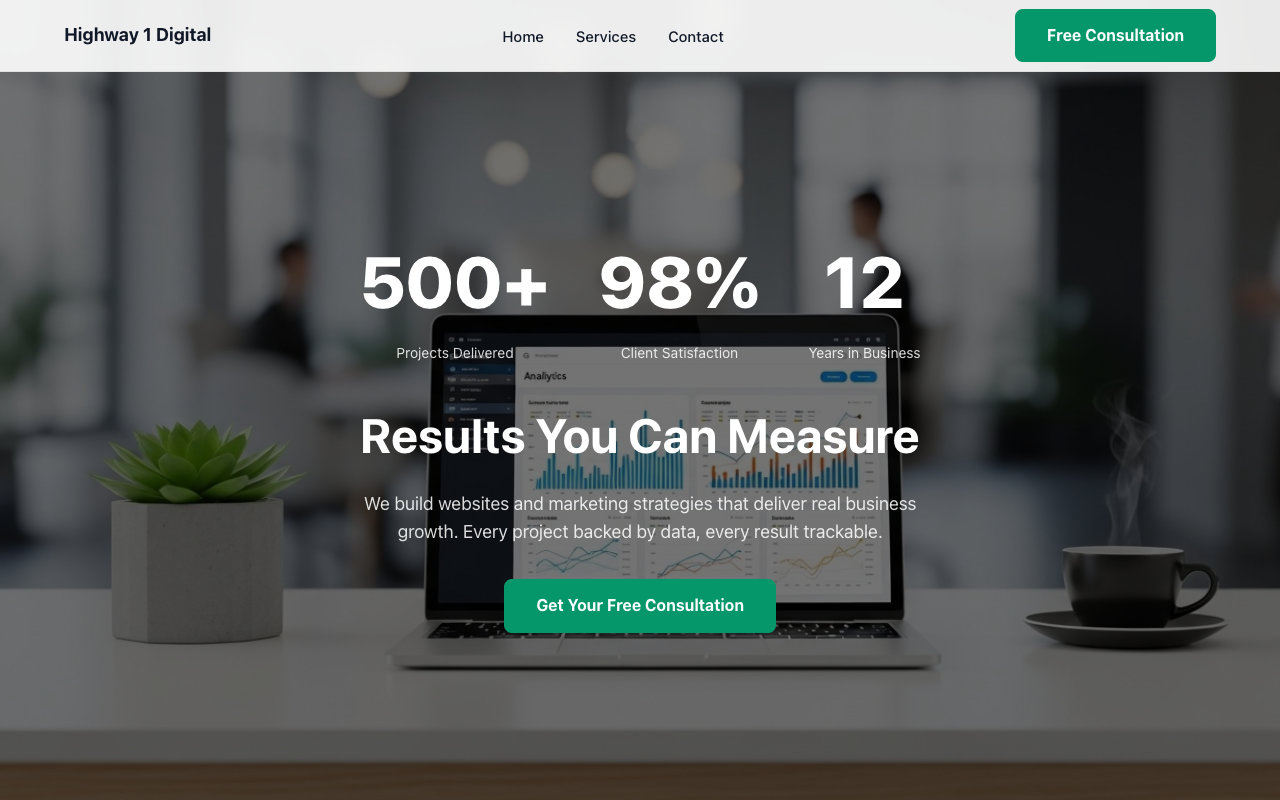 V28
V28
Trust Builder
Conversion-focused with video hero, animated stat counters, trust signals, star ratings, "Most Popular" badge, sticky mobile CTA, emerald/amber palette.
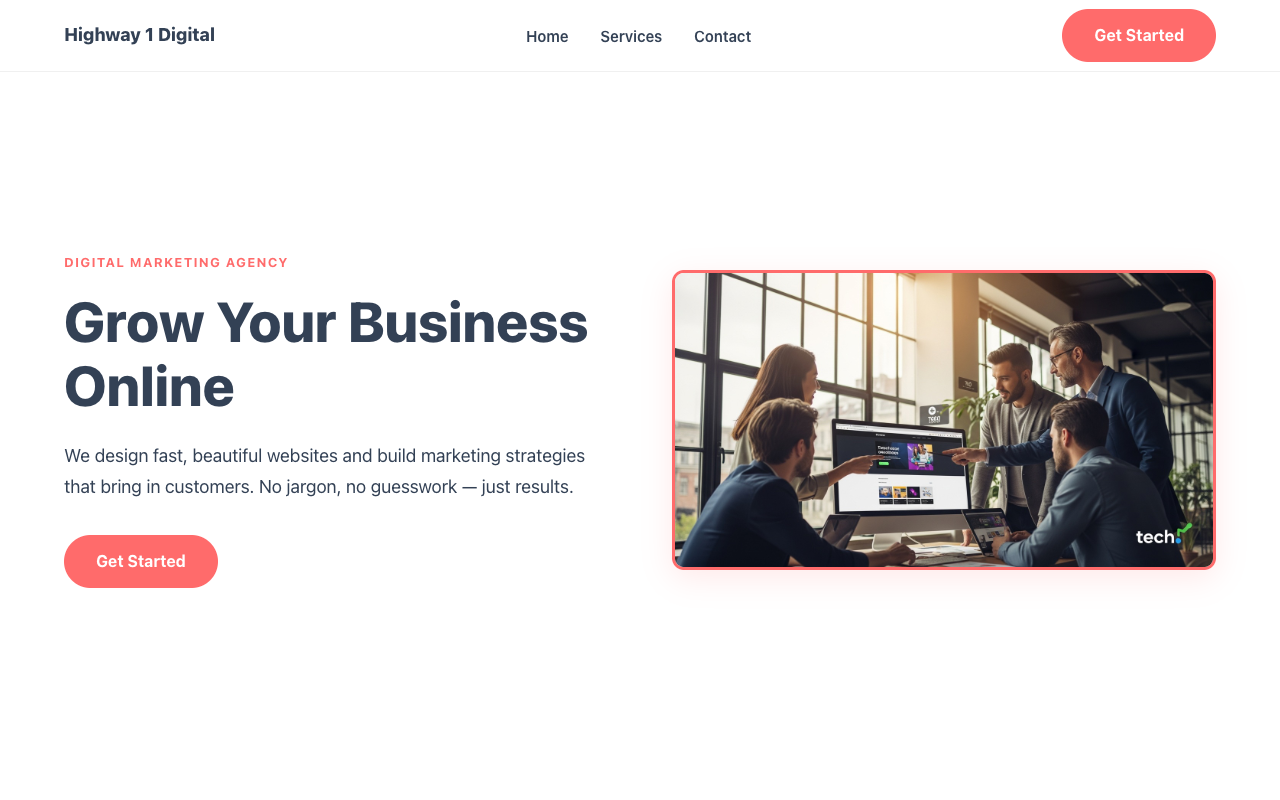 V29
V29
Friendly Illustrated
Illustration-driven with multi-color accent system (coral/teal/purple), spot illustrations per service, alternating why-choose-us blocks, Nunito font.
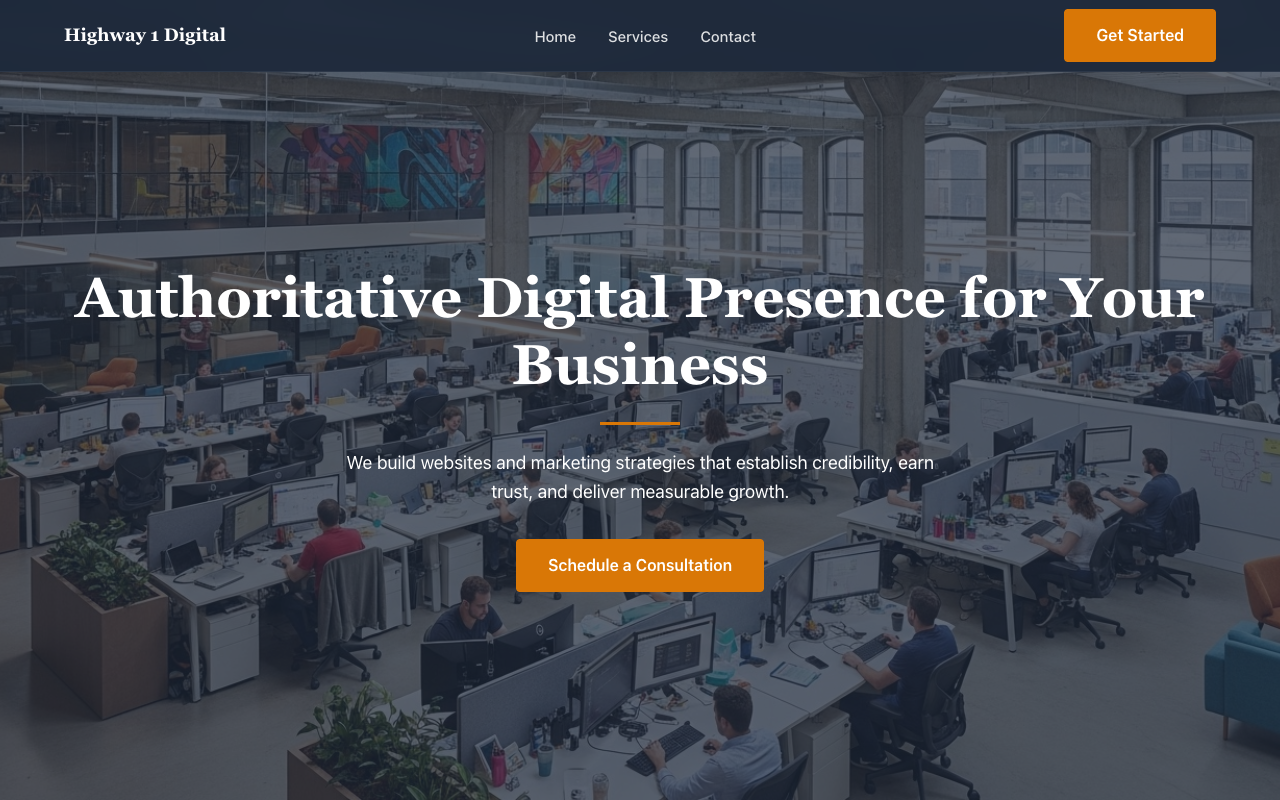 V30
V30
Structured Authority
Navy frosted nav, video hero with navy overlay, serif headings (Merriweather), amber accents, numbered approach steps, blockquote testimonial with hr separators.
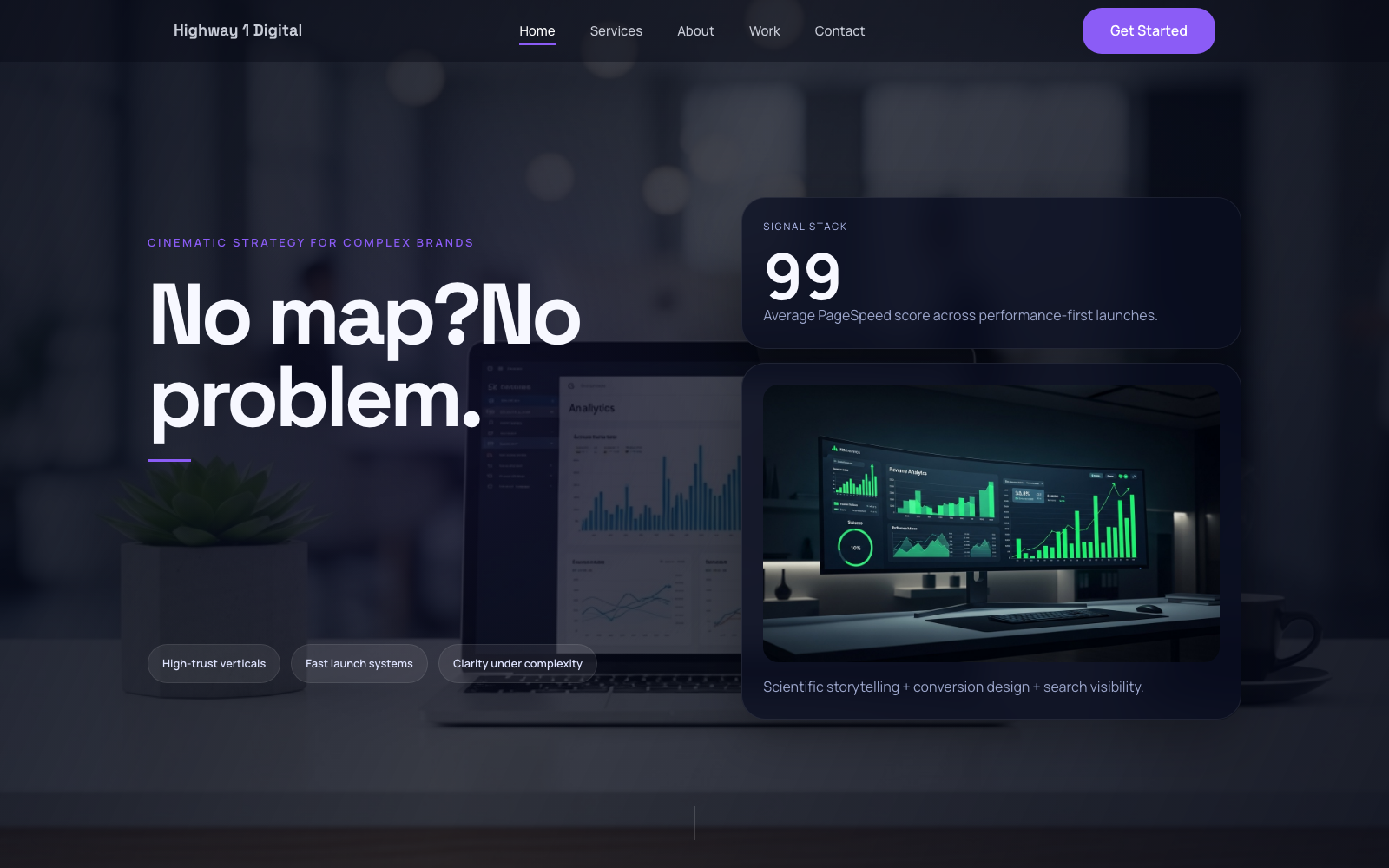 V31
V31
Bio-Tech Atmosphere
Cinematic dark atmosphere, science-forward framing, glass signal panels, and sharper storytelling for innovation-led, medical, and technical brands.
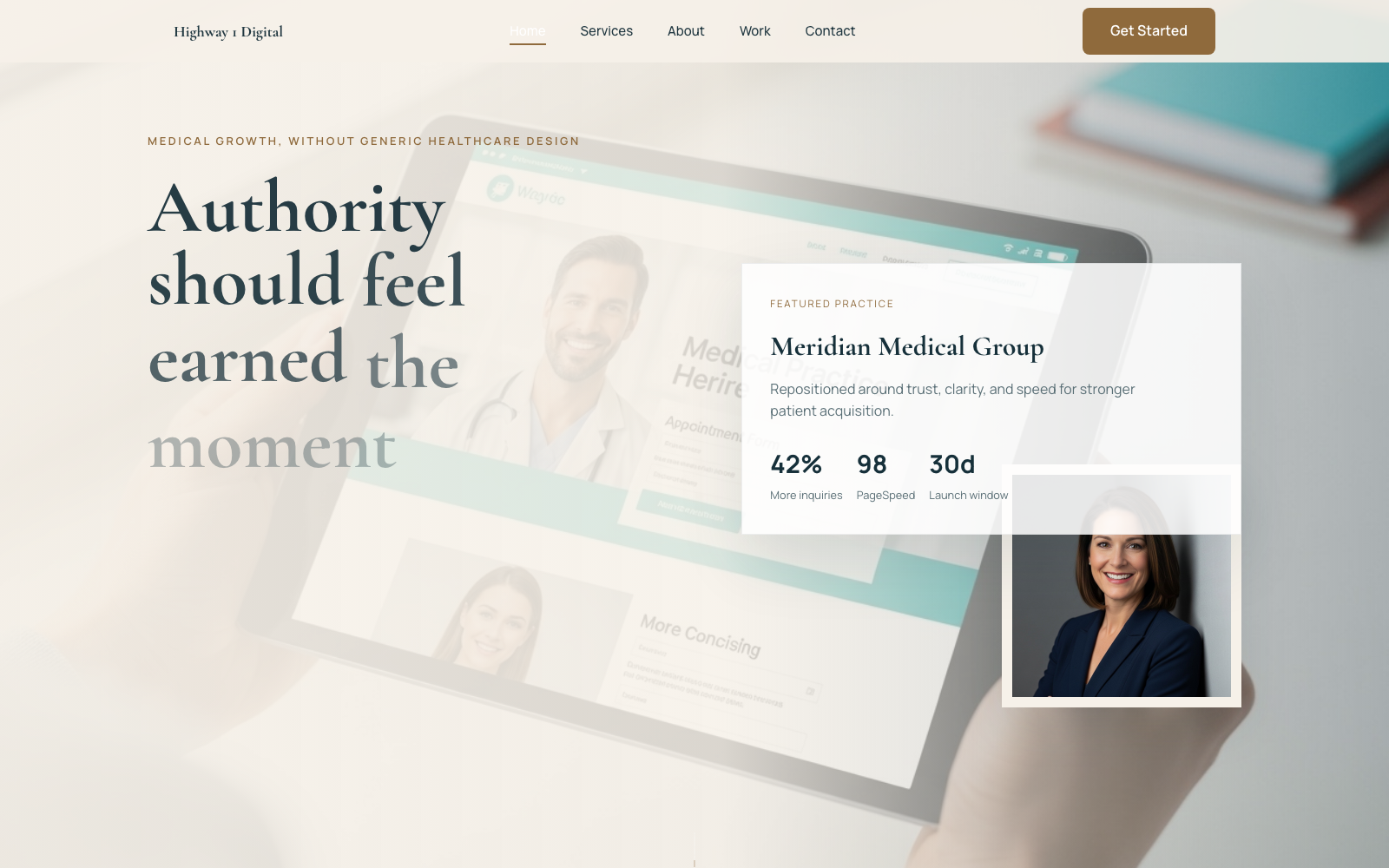 V32
V32
Medical Authority Editorial
Editorial trust-first design for premium practices and authority-led firms, with calmer pacing, stronger proof, and more refined typography.
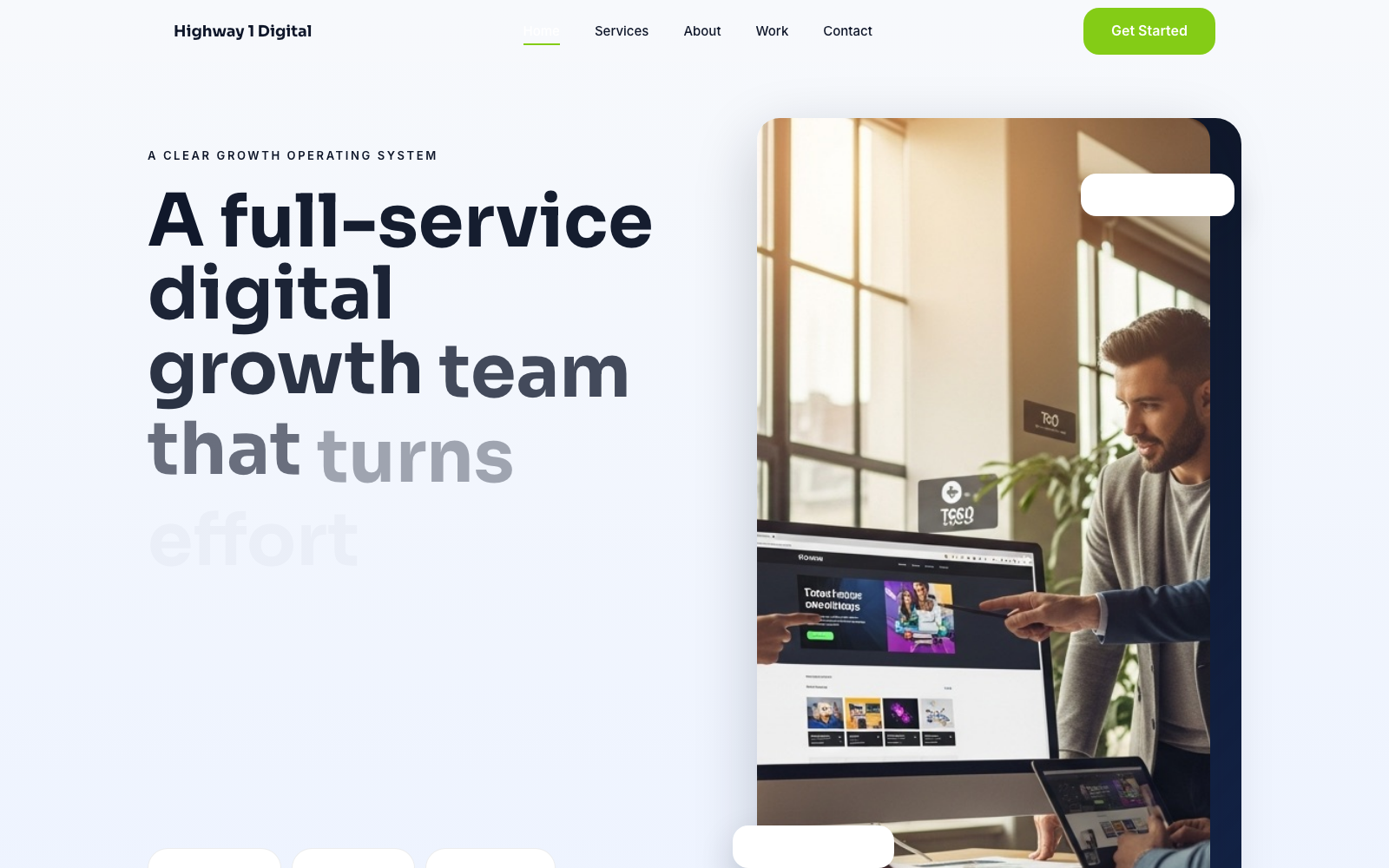 V33
V33
Clear Growth Operator
A brighter operator-style system with clearer offer framing, better proof placement, and sharper CTA hierarchy than the usual brochure-agency layout.
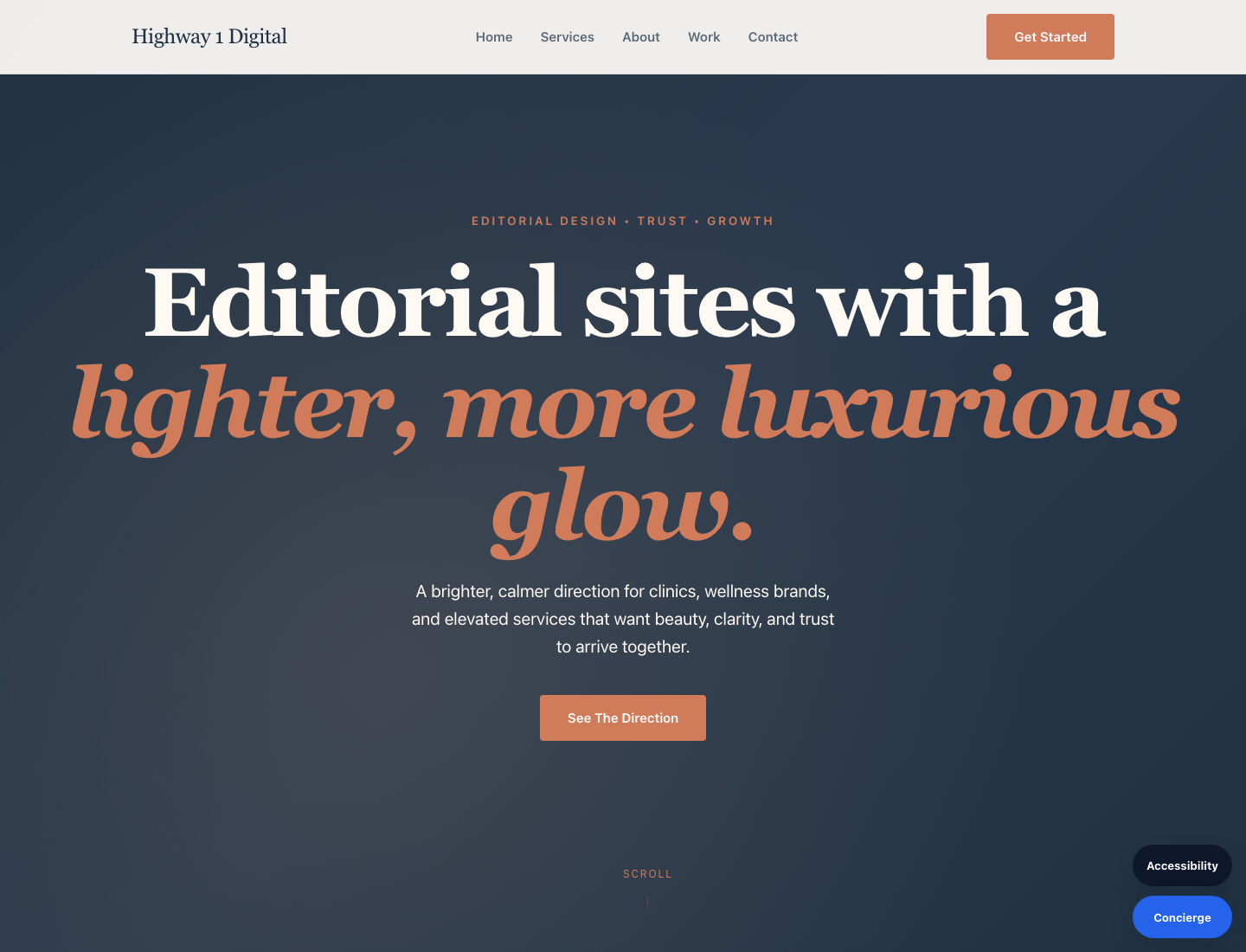 V34
V34
Luminous Editorial
Bright editorial luxury with softer gradients, considered serif pacing, and support modules that feel designed instead of bolted on.
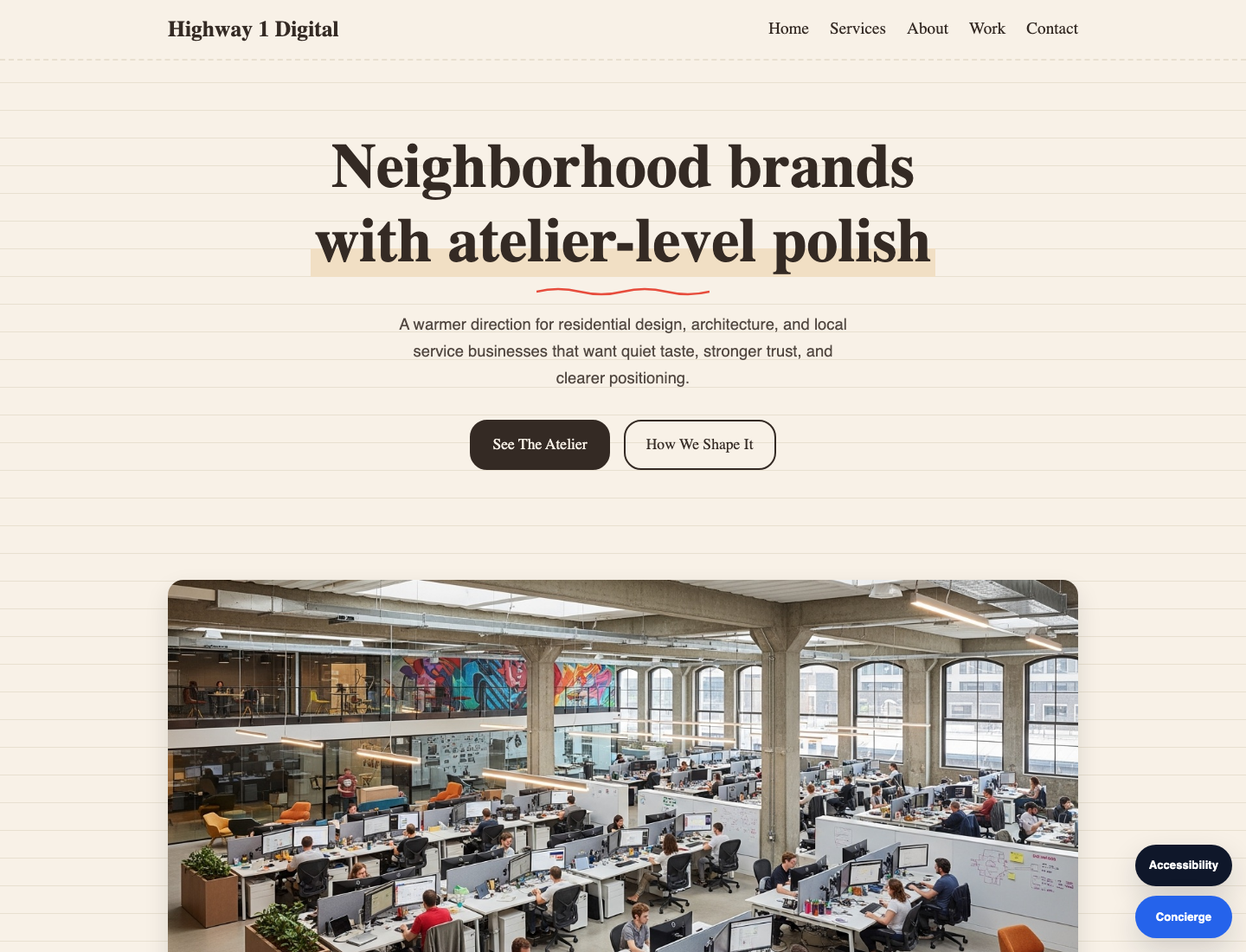 V35
V35
Neighborhood Atelier
Warmer local-studio direction for interiors, hospitality, and founder-led service brands with more tactile proof and calmer supporting pages.
 V36
V36
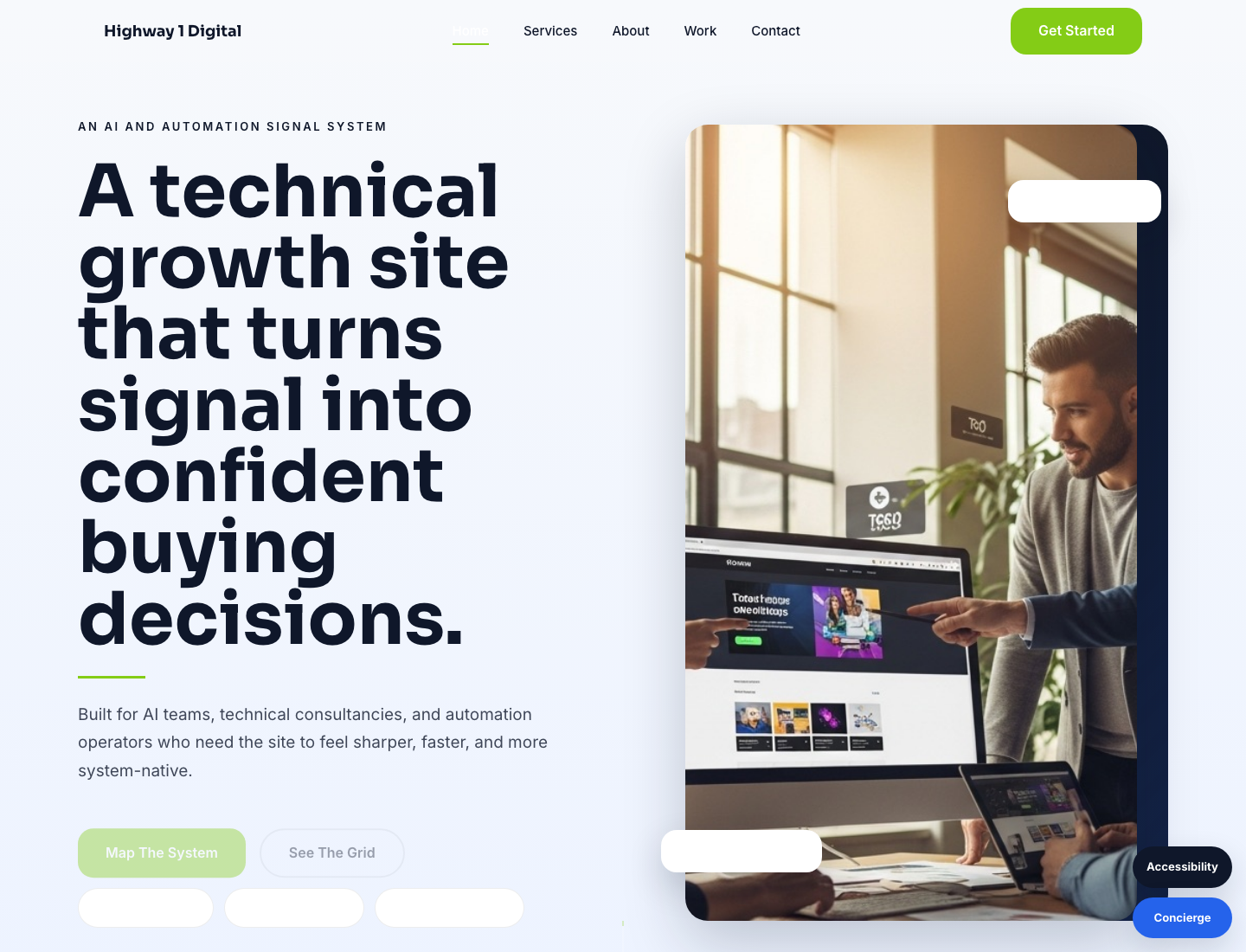
Signal Grid
Sharper systems-led growth template for AI, automation, and technical operators with stronger data framing and cleaner utility surfaces.
 V37
V37
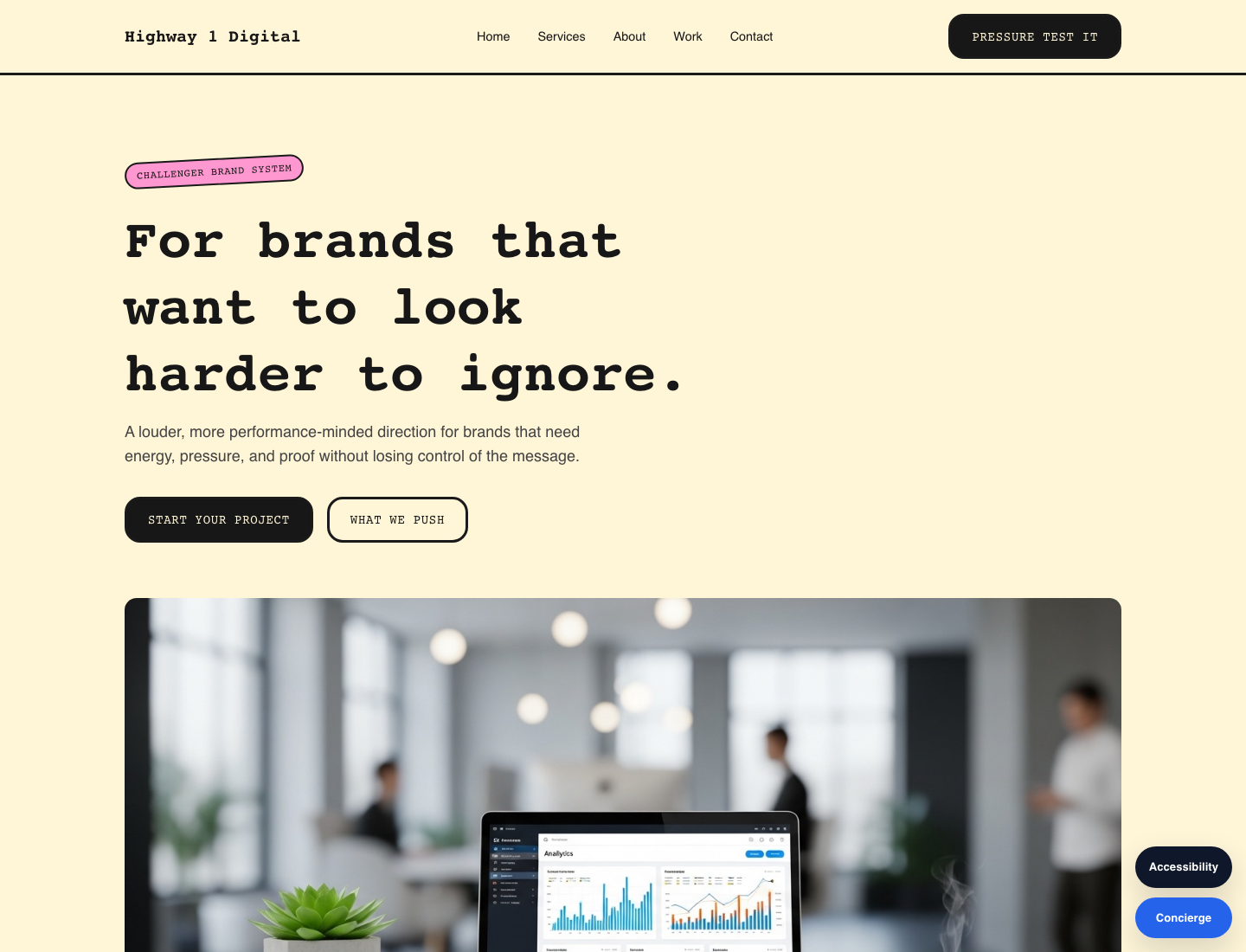
Bold Challenger
A louder high-conviction option for fitness, consumer services, and challenger brands that need more edge without breaking usability.
Ship These First
Best for high-trust sectors that need a calmer, more refined, more credible digital posture than a standard agency template.
Best when the brand needs mood, technical confidence, and more category distinction without becoming hard to understand.
Best for businesses that want less agency theatre and more obvious offer framing, proof, and friction-free calls to action.
Best for SMB lead generation where proof, CTA clarity, and practical decision cues matter more than editorial atmosphere.